Compartilhar
Eritrea’s Agricultural Development Over the Past 35 Years: Significant Progress in the Regulation of Agricultural Products Part II
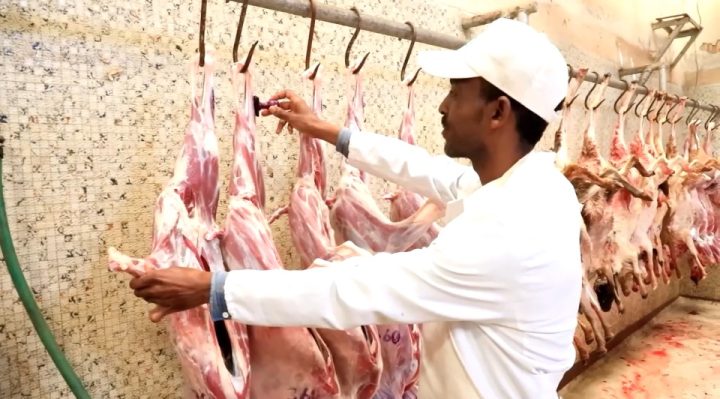
Over the past 35 years of independence, substantial efforts have been undertaken to ensure the availability of safe and nutritious agricultural products in markets across Eritrea. According to reports from the Regulatory Services Department (RSD) of the Ministry of Agriculture, major achievements in this area are summarized below. It is also important to note that the necessary inspection and control services have been carried out using appropriate regulatory instruments and guidelines.
Ensuring Food Safety and Quality
Because food safety begins at the farm level, considerable efforts have been made to put into practice the “farm-to-table” fundamental principle in food safety. Accordingly, a number of inspection initiatives have been implemented to regulate agricultural products at the production stage.

One notable example is the successful control of pesticide-contaminated tomatoes produced in the Gash-Barka Region and sold in the markets of Asmara. Through strict enforcement measures and awareness-raising campaigns targeting farmers, the misuse of pesticides was significantly reduced. Today, apart from occasional incidents, contamination of tomatoes with pesticide residues is no longer a major concern in the market.
In line with good agricultural and manufacturing practices, efforts have also been made to ensure the safety and quality of raw materials used on farms and in agri-food processing establishments. Over the past 35 years, the number of agri-food enterprises processing animal and plant products—including animal feed manufacturing facilities—has increased from around seven before Eritrea’s independence to nearly 40 in 2026. This figure does not include more than 25 small-scale sesame oil processing enterprises currently operating in the country.
Plant and Animal Quarantine
The primary objective of quarantine services is to prevent the introduction of plant and animal pests and diseases associated with the importation of plants, animals, and their products, while at the same time ensuring that agricultural products intended for export are free from pests and diseases. Quarantine services are provided at official entry points. Currently, four quarantine stations operate in the country: Asmara International Airport, Massawa Seaport, Assab Seaport, and Teseney. Continuous efforts are underway to strengthen both human resources and laboratory capacities at these facilities.
Improving Seed Quality
To increase crop production and productivity, several improved varieties of field crops and vegetables have been developed over the past independence years by the National Agricultural Research Institute (NARI) of the Ministry of Agriculture. After evaluation and approval by the National Variety Release Committee, coordinated by the Regulatory Services Department, these varieties have been incorporated into seed multiplication programs, which have had a significant impact on crop production and productivity. Over the past 12 years, annual production of improved seed has increased from 700 quintals to 6,000 quintals.

Agricultural Chemicals
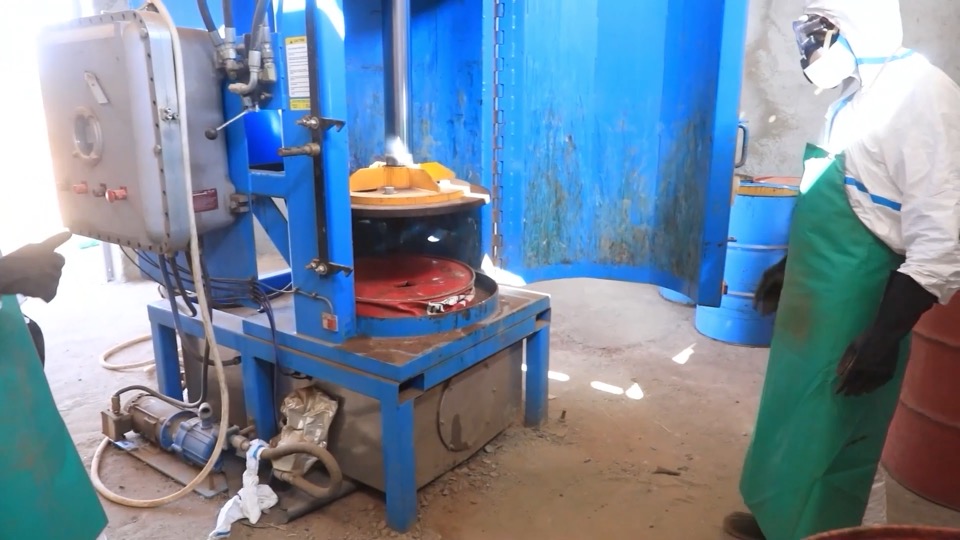
Agricultural chemicals can have serious adverse effects on human health, animals, and the environment if they are not properly managed and used. Pesticides, in particular, pose significant risks. In response, a nationwide campaign conducted between 2007 and 2017 led to the safe disposal of more than 360 tons of obsolete pesticide stocks, many of which had accumulated since the colonial era. These stocks were transported to England for disposal in accordance with international standards. Approximately 160 metric tons remain and are scheduled for safe disposal in the near future. In addition, more than 6,500 empty pesticide containers were cleaned and crushed using appropriate technology for safe and easy storage.

With regard to veterinary drugs, 46 metric tons of expired veterinary medicines and vaccines were safely disposed of within the country in collaboration with relevant institutions. An additional six metric tons are expected to be disposed of in the near future.

Natural Resources Regulatory Activities
In collaboration with relevant government institutions and some private entities, the Regulatory Services Department has established a National Database on Fauna and Flora (NDFF), which currently contains records of nearly 5,000 species of fauna and flora. Efforts are underway to make this database accessible to the public. The identification and registration process will also be expanded to further enrich the NDFF and enhance its usefulness to concerned institutions.
Role of the Regulatory Services Department
The Regulatory Services Department was established in 2003 and is responsible for regulating issues related to natural resources, plant resources, and animal resources. The Department is currently playing a significant role in advancing the Ministry of Agriculture’s strategic objective: “Safe and Nutritious Food for Everyone, Everywhere.”
Public Relations Division
Ministry of Agriculture, Eritrea
Fonte: Shabait