Compartilhar
Significant Progress in Agricultural Research Programs
Asmara, 21 May 2026 – The Eritrean National Agricultural Research Institute (NARI) has played a significant role over the past 35 years in increasing crop productivity. The report was made by the Public Relations Division of the Ministry of Agriculture.
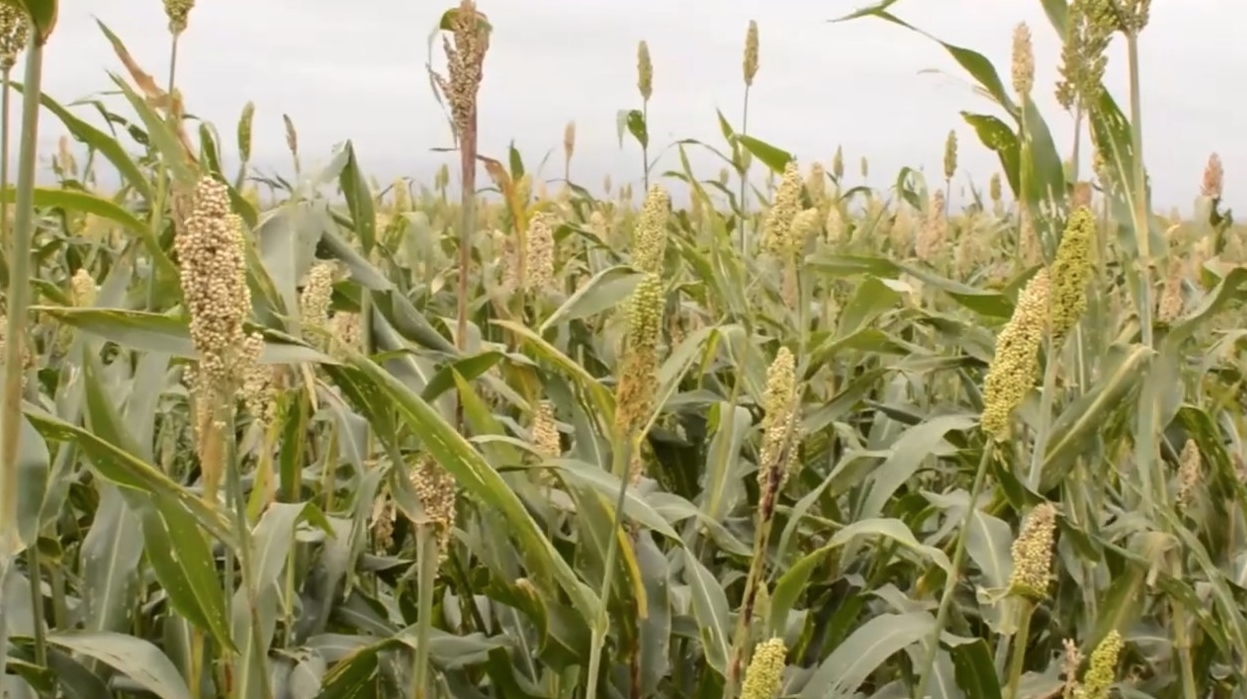
According to NARI’s reports, in the area of genetic resource conservation, the Institute has so far preserved more than 6,300 seed accessions representing approximately 160 species of crops and trees. In the field of crop improvement, NARI has, since 1997, conducted research at nine agricultural research stations located in Halhale, Gahtelay, Shieb, Akordet, Shambuko, Hagaz, Goluj, Aklelet, and Adi Keih. Through these efforts, the Institute has developed 52 improved varieties of cereals and pulses, including wheat, barley, sorghum, millet, maize, sunflower, and various legumes. These improved varieties, which produce yields more than twice those of traditional varieties, have been distributed to farmers throughout the country.
In addition, NARI has developed and disseminated 34 improved vegetable varieties and 36 fruit varieties. At present, a newly developed hybrid maize variety named “Halhale,” which yields more than 65 quintals per hectare, has successfully passed research trials and has been released to farmers for cultivation.
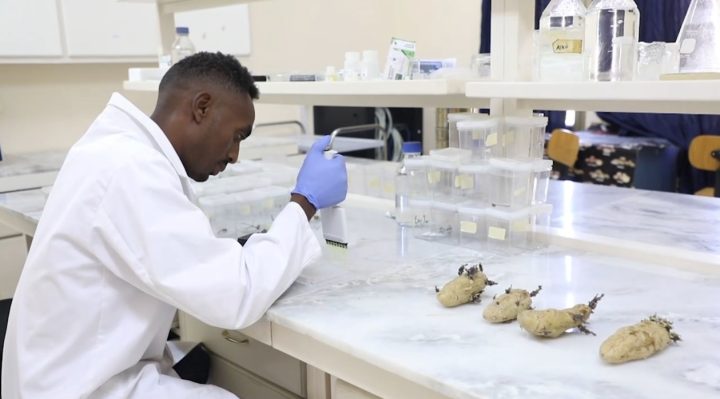
To support these crop improvement programs, the Institute is carrying out extensive plant health research to ensure that all planting materials are healthy and disease-free. Tissue culture activities are also being strengthened to produce and distribute clean and disease-free planting materials to farmers.
In the field of natural resources research, NARI’s laboratories have analyzed more than 16,000 soil samples, over 500 water samples, more than 1,750 plant samples, and over 170 fertilizer samples. These laboratory services provide critical information for sustainable land and water management and improved crop production.
In livestock research, studies have been conducted on more than 268 forage species. Promising forage varieties have been multiplied and distributed to farmers to improve animal feed availability. NARI is also undertaking extensive research on the selection and improvement of livestock breeds. This year, the Institute initiated research aimed at developing backyard poultry varieties.
Before assuming its current organizational structure in 2003, the National Agricultural Research Institute existed under various names and in different locations. Its origin dates back to 1910, making it one of Eritrea’s oldest scientific institutions.
Currently, the Institute employs 270 staff members, of whom about 80 percent are agricultural researchers and technical professionals.
Fonte: Shabait