Compartilhar
Eritrean Beauty Engraved in Names
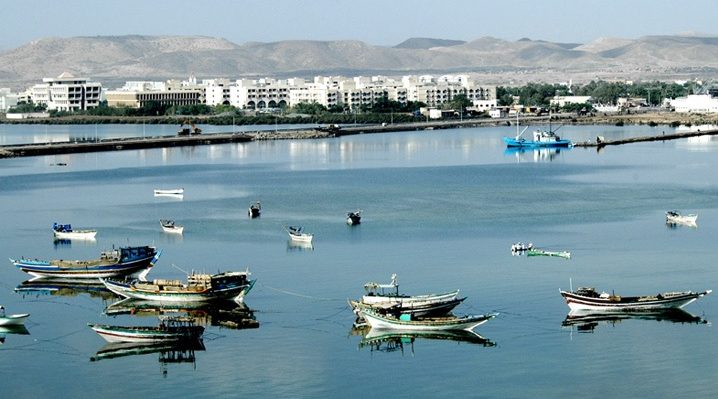
Eritrea’s boundless beauty has long inspired wonder among local and foreign visitors alike. With its enchanting landscapes, warm hospitality, profound peace, sweeping coastal vistas dotted with remarkable islands, rich historical tapestry, and diverse cultural heritage, the nation presents a mosaic of splendor. These elements are genuinely interwoven to shape Eritrea’s unique identity. Nowhere is this beauty more quietly yet powerfully recorded than in the names carried by its places.
When a place name resonates across a community, individual memories converge into a shared identity. Psychologically, the names we use for places foster deep bonds with their features, shaping mental well-being, social engagement, devotion, and productivity. For younger generations, these names reveal a rightful sense of belonging and inspire purposeful contribution.
This article explores beauty patterns inscribed within some of Eritrea’s most celebrated places.
Asmara – Eritrea’s capital, whose very name, the Tigrinya word for “Unity,” embodies the nation’s hard-won solidarity. Historically, four peaceful villages—House of Sensr, House of Asmea, House of Shilele, and House of Geretom—despite their rich resources and thriving markets, suffered relentless bandit raids. The women, unable to bear further grief, united and insisted that their men form a single village. They resolved to withhold food should the men refuse. Their courageous strategy succeeded, and the united village was named Asmara, honoring the wisdom and unity of its women.
Mendefera – capital of the Southern Region, born from the union of Village Wegre and Village Berin. Their lands once held a dense forest teeming with wildlife, so intimidating that no man dared cross it. The forest fell during Italian colonization, to local shock. A passing stranger’s question, “Who had dared this forest?” evolved into Mendefera—“Who/men dare”—a name that endures to this day.
Keren – capital of the Anseba Region, derives from an Arabic word for “mountain chains or rocks,” akin to the Tigrinya “keren” (high height). Visitors immediately grasp the meaning when surrounded by massive rocks and rugged chains. Many outsiders recall Keren for the historic 1941 Battle of Keren, a pivotal East African clash between British and Italian forces during World War II.
Barentu – administrative capital of the Gash Barka Region, stems from the Kunama word “Barenku” (white water). Over time, during the British colonial period, “Barenku” gradually shifted to “Barentu,” with “ku” becoming “tu.”
Asseb – strategic national port and capital of the Southern Red Sea Region of Eritrea, takes its name from the Afar word “Asubuy” (salted area), referencing the salty sea and surrounding reserves. Interestingly, Asseb is historically remembered both as the gateway to Italian colonization and as the closing door of colonialism in Eritrea.
Massawa – another vital port and administrative center of the Northern Red Sea Region since independence. Its name springs from the Tigrinya word meaning “to call” someone from a distance—originally describing people loudly conversing across the sea between “Grar” and the marketplace (“Idaga”). Yet many know Massawa only through its colonial past, the 1990 Fenkil operation that ended Ethiopian rule, or as a place of recreation.
The long shadow of Italian colonization lingers in local languages, lifestyles, and place names. Among Asmara’s enduring Italian-derived names are Tiravolo and Paradiso.
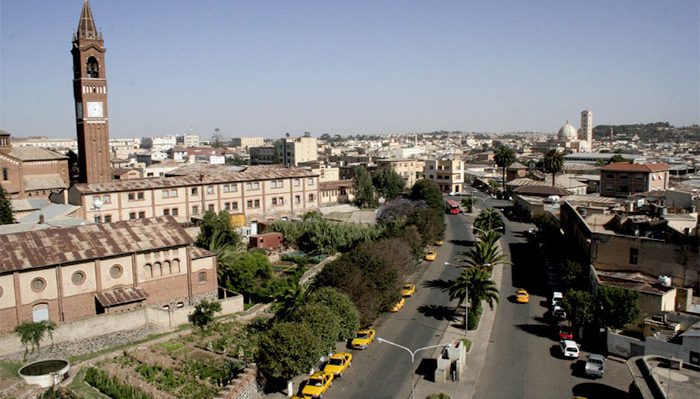
Tiravolo –from “Tira a volo” (shooting flying). During the Italian era, residents and other Europeans shot birds here for sport. The name evokes a once-wooded landscape teeming with birds in flight. While this area now boasts some of the most beautiful villas in Asmara, its name reveals that not long ago it was covered in woods and bushes.
Paradiso – Italian for “Paradise.” Once blanketed with breathtaking trees and flowers, the area drew residents and visitors alike with its pure, life-giving air, inspiring the name.
Among the histories reshaped by Eritrea’s long liberation struggle stands Nakfa – the very symbol of the struggle. From the Tigre word “Neqif” (a long height), Nakfa’s rugged, hard-to-climb rocky mountains directly echo its name. Its indispensable role in the liberation wars and its status as the namesake of Eritrea’s currency deepen its meaning. Any visitor to Nakfa instantly sees the truth of the name embedded in the landscape.
In conclusion, Eritrea’s overwhelming beauty—its enchanting landscapes, warm hospitality, immense peace, magnificent long coastlines with incredible islands, rich history, and cultural diversity—is also eloquently recorded in its place names, each marking a facet of national identity. Let us continue to explore the treasures still buried in Eritrean names, that we may celebrate our beauty across the globe.
Fonte: Shabait