Compartilhar
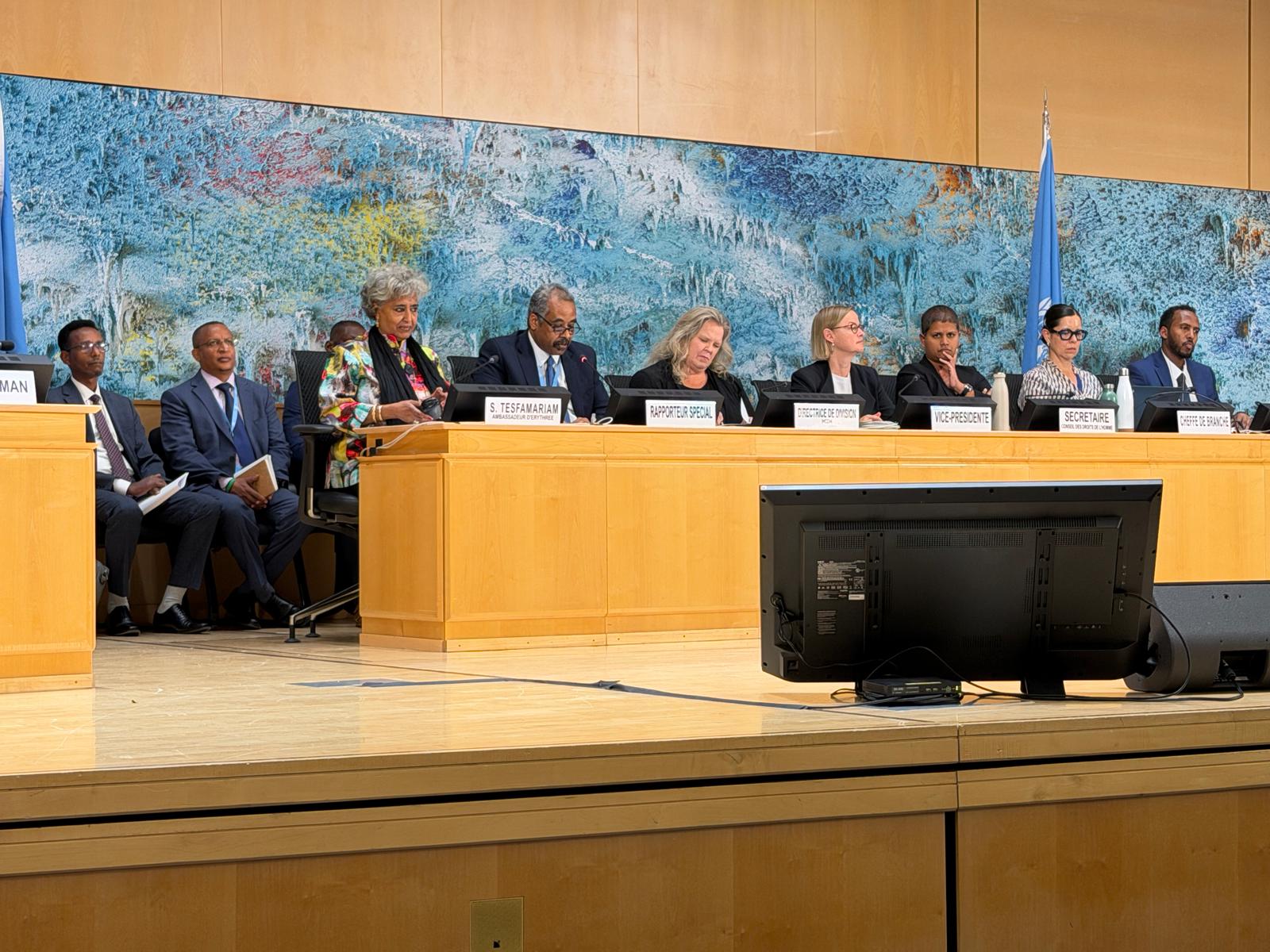
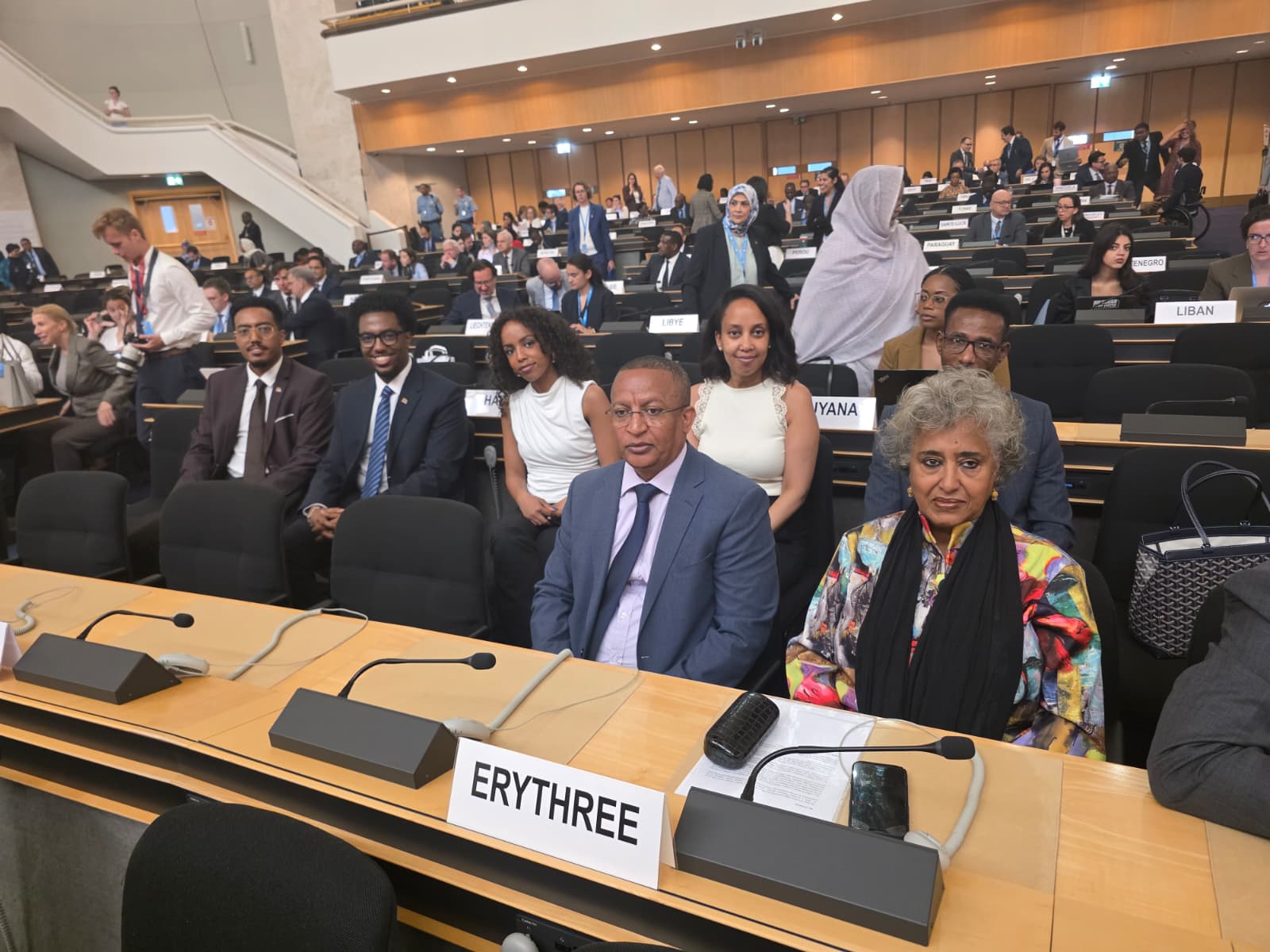
Statement delivered by H.E. Ambassador Sophia Tesfamariam during the Enhanced Interactive Dialogue on the Situation of Human Rights in Eritrea Geneva 15 June 2026
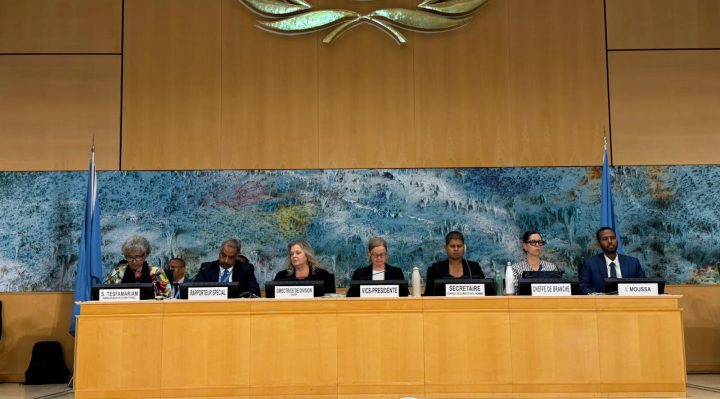
Madam Vice-President,
Eritrea rejects the report before the Council as fundamentally flawed in its methodology, unsupported by independently verified information, and disconnected from realities on the ground. Its findings and conclusions therefore lack credibility and cannot serve as a reliable basis for informed deliberation or action by this Council.
The methodology underpinning the report remains deeply problematic. The Special Rapporteur relies heavily on anonymous and unverified sources while giving limited consideration to information from United Nations agencies and other institutions that have documented progress in health, education, food security, infrastructure, and socioeconomic development. These realities receive little meaningful reflection in the report.
Instead, disproportionate weight is accorded to allegations advanced by a narrow circle of external actors, whose claims are too often elevated to established fact without adequate scrutiny or corroboration. This results in a distorted analytical framework that cannot be reconciled with the principles of objectivity, balance, and evidentiary rigor that underpin credible United Nations reporting.
Eritrea has consistently responded to the allegations repeated in successive reports of this mandate and sees little value in revisiting the same unsubstantiated claims year after year. Repetition does not constitute evidence, nor can it transform contested narratives into established fact.
Allow me briefly to address Eritrea’s National Service Programme, which continues to be singled out for criticism.
Established under Proclamation No. 82/1995, National Service is a sovereign institution designed to safeguard independence, territorial integrity, and national security while fostering social cohesion, self-reliance, and resilience. Its continuation beyond the statutory 18 months has been shaped by persistent external security threats and unresolved regional tensions.
Notably, a growing number of States, including several European countries, have revived, expanded, or are actively debating forms of national service and conscription in response to evolving security challenges. Yet Eritrea continues to be denied the same sovereign prerogative afforded to others. The programme, including its duration and structure, remains a matter for Eritrea alone to determine in accordance with its national circumstances and security assessments.
Madam Vice-President,
The Special Rapporteur argues that his mandate is indispensable as the only international mechanism responsible for monitoring Eritrea. This assertion disregards the existence of multiple United Nations mechanisms, including the Universal Periodic Review, treaty bodies, specialized agencies, and other intergovernmental processes through which all Member States, including Eritrea, are regularly assessed.
Appointment by this Council does not, in itself, establish independence. Independence must be demonstrated through impartiality, methodological rigor, balanced analysis, and respect for the legitimate positions of Member States.
Particularly troubling is the Special Rapporteur’s criticism of African States that have exercised their sovereign right to reach conclusions different from his own. A Special Rapporteur is mandated to assess a country situation, not to question the independent positions of Member States within this Council.
Yet while African States have been criticized for questioning the mandate, there is little reflection on the implications of coordinated positions by penholders, including European Union Member States, as reflected in successive voting patterns. Divergent views are a normal feature of multilateral diplomacy and should be regarded as evidence of independent judgment and healthy scrutiny, not as a cause for concern.
Madam Vice-President,
Eritrea has maintained its sovereignty, preserved social stability, sustained public administration, and continued the delivery of essential services despite decades of conflict, sanctions, and external pressures. While acknowledging the need for continued progress, this reality is fundamentally inconsistent with the picture repeatedly presented through this mandate.
When a country-specific mechanism persists despite sustained questions regarding its selectivity, methodology, and balance, it risks shifting from a tool of engagement into one of entrenchment. Rather than promoting constructive dialogue, it perpetuates a divisive process that has failed to command broad confidence among Member States.
Eritrea therefore rejects both the report and the resolution before the Council and reiterates its call for the termination of this mandate.
I thank you.
Fonte: Shabait