Compartilhar
LESOTHO CALLS FOR AFFORDABLE CONNECTIVITY, ENERGY ACCESS AND STRONG DIGITAL FOUNDATIONS TO BRIDGE AI DIVIDES
Geneva, Switzerland- The Kingdom of Lesotho has called for stronger global action to ensure that developing countries are not left behind in the age of artificial intelligence, emphasizing that meaningful participation in AI requires more than connectivity alone.
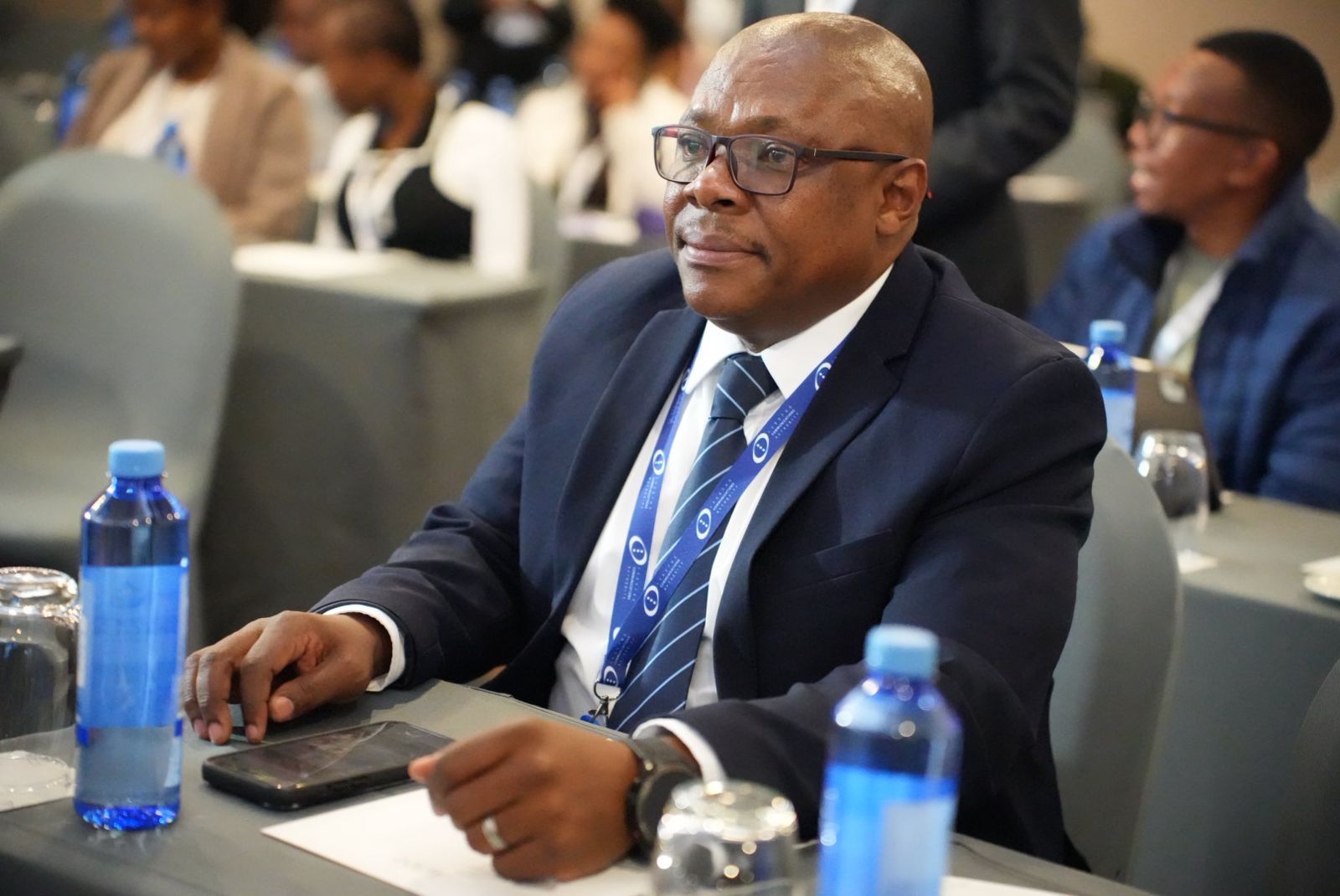
Speaking during discussions under Cluster 2: Bridging AI Divides — Capacity-Building, Access and Digital Foundations, Mr Kanono Ramashamole, Principal Secretary in the Ministry of Information, Communications, Science, Technology and Innovation, said developing countries must be supported to participate in AI not only as consumers, but also as co-creators of both policy and technology.
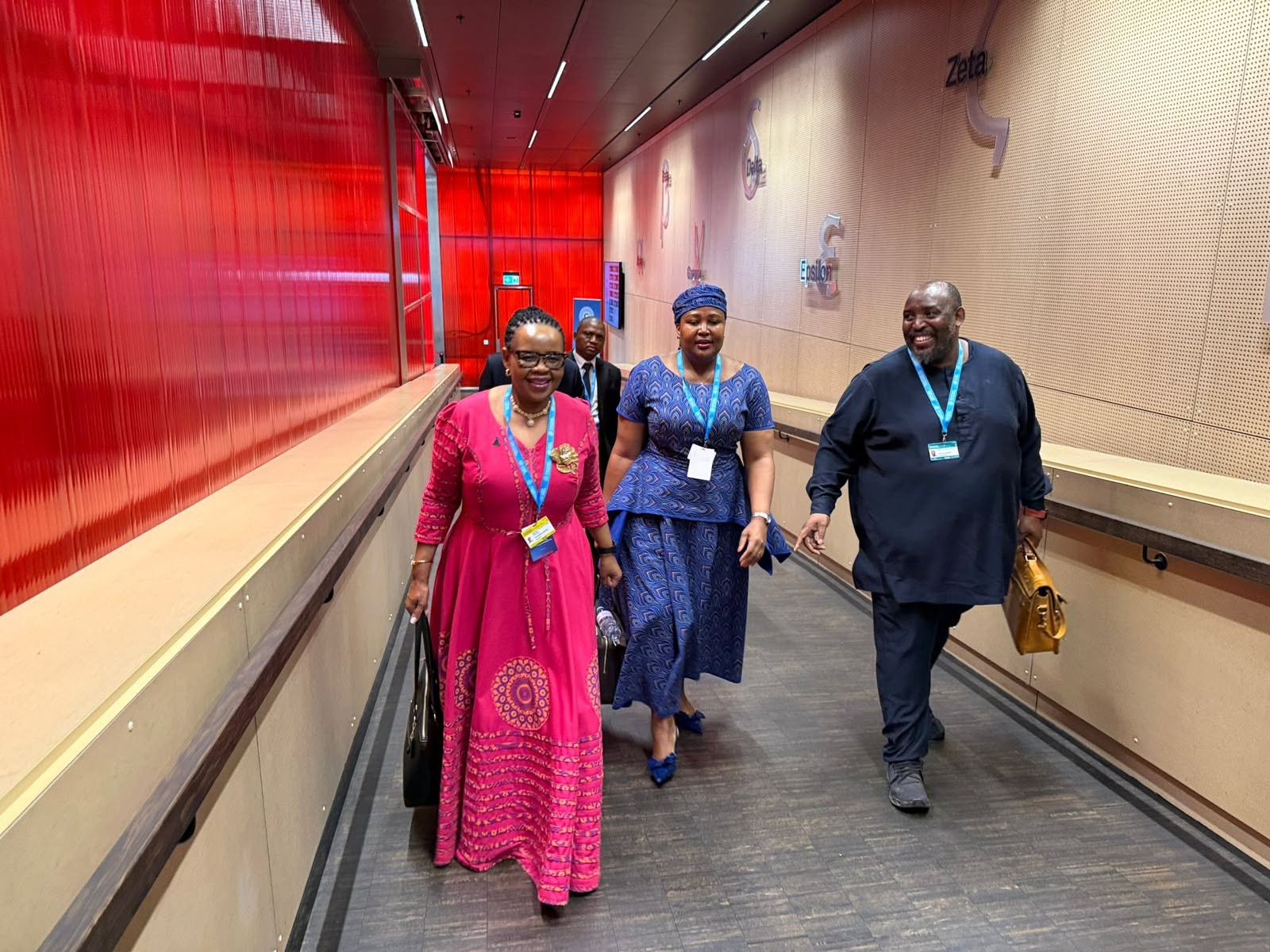
Mr Ramashamole is in Geneva as part of the delegation of the Deputy Prime Minister Justice Nthomeng Majara to the United Nations Global Dialogue on AI Governance, the WSIS Forum, and AI for Good. Also in attendance is the Minister of Information, Communications, Science, Technology and Innovation Ms Nthati Moorosi. The sessions started today and will run until Friday this week.
Mr Ramashamole highlighted that while broadband coverage remains an important foundation, connectivity alone is not sufficient. He noted that Lesotho has achieved 100 percent broadband coverage, but only about 50 percent of the population accesses the internet on a regular basis. This, he said, demonstrates that affordability remains a major barrier to digital inclusion and AI participation.
He further emphasized the importance of reliable energy as a basic condition for digital participation. In some areas, he noted, people still walk long distances simply to charge their mobile phones, making it difficult for them to benefit from digital services, let alone participate meaningfully in the AI economy.
Mr Ramashamole also reinforced points raised earlier in the day by the Deputy Prime Minister, particularly the need for a global framework to address fragmented and unstructured datasets. He said many developing countries continue to face challenges linked to data that is scattered across institutions, not properly governed, or not available in forms that can support responsible AI development.
He said Lesotho sees investment in Digital Public Infrastructure and open-source approaches as practical pathways for building national AI readiness. He highlighted Lesotho’s participation in the recent Open Source Week as one example of investment in digital skills and capacity-building.
“Lesotho is taking concrete steps to ensure that it is not merely a consumer of AI technologies, but a co-creator of the policies, platforms and digital foundations that will shape the future of AI,” he said.
The discussions in Geneva are expected to contribute to global efforts to bridge AI divides and ensure that developing countries are meaningfully represented in shaping international AI governance.
Source: Lesotho News Agency (LENA) 07/07/2026
Fonte: Gov