Compartilhar
Vihiga communities fight drug abuse
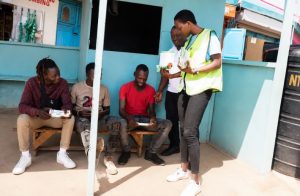
The morning bell signals the start of another school day, but for some learners in Vihiga County, the struggle extends far beyond the classroom. Behind school uniforms and exercise books lies a growing battle against drug and substance abuse, a challenge that educators, parents, health workers and community leaders say threatens the future of many young people.
For Denis Etenyi, the journey into drug abuse, the use of bhang and alcohol began with what seemed like harmless curiosity.
Like many teenagers, he wanted to fit in with friends. Encouraged by his peers, he experimented with alcohol and cannabis, unaware that the decision would soon affect every aspect of his life.
“My performance dropped, I started missing classes, and my parents and teachers became worried,” he recalls.
His turning point came when his school intervened through guidance and counselling. Teachers, parents, community health workers and officers from the National Authority for the Campaign Against Alcohol and Drug Abuse (NACADA) worked together to help him overcome addiction.
Today, Denis says he has abandoned drugs, returned to his studies and deliberately surrounds himself with friends who encourage positive behaviour.
Not every story, however, has had such a hopeful beginning.
Shem Otemba says his drug use escalated after falling under the influence of friends while struggling with personal challenges. Unlike Denis, he says he received little support from his family or the community.
Without counselling or rehabilitation, his addiction worsened, affecting his studies, relationships and decision-making.
His experience highlights the importance of early intervention before experimentation develops into dependency.
The stories of Denis and Shem reflect a growing concern across Vihiga County, where teachers, parents, health professionals and NACADA officials warn that drug and substance abuse is increasingly affecting learners in secondary schools, colleges and universities.
Residents of Luanda town say the effects of drug abuse have become difficult to ignore.
John Okila, a resident, says substance abuse has contributed to increasing cases of mental illness among young people, with many drug users ending up on the streets after losing contact with their families.
He observes that some individuals pretending to be mentally ill are allegedly involved in the illegal sale of drugs, complicating efforts to address the problem.
Despite the challenges, faith-based organisations are stepping in. The Mill Hill Missionaries at St. Joseph Luanda Parish have established a family-based counselling, rehabilitation and training centre to support affected street children and vulnerable families.
Teachers say schools are witnessing changing patterns of drug abuse among learners.
Isaac Toiyo, a teacher at Bunyore Girls High School, attributes the problem to peer pressure, academic stress, family conflicts, poor parental supervision, mental health challenges and the easy availability of drugs.
According to him, drugs find their way into schools through dealers operating near learning institutions, older students, social gatherings and, in some cases, from homes.
He notes that drug abuse contributes to poor concentration, declining academic performance, absenteeism, indiscipline and school dropouts.
To counter the trend, schools have strengthened guidance and counselling programmes, intensified inspections and increased collaboration with parents and security agencies.
James Khakuli, a teacher at Itumbu Secondary School, says schools are increasingly adopting supportive interventions rather than relying solely on punishment.
Learners identified as being at risk are counselled, monitored and referred to professional counsellors or rehabilitation centres where necessary.
“Early intervention gives learners a better opportunity to recover and continue with their education,” he says.
Health professionals warn that the effects of drug abuse extend far beyond education. Senior nurse Esther Anekeya of Vihiga Teaching and Referral Hospital says prolonged drug use damages vital organs, weakens the immune system and increases the risk of mental illnesses such as anxiety, depression and memory loss.
She explains that addiction should be treated as a medical condition requiring professional care, counselling and family support rather than stigma.
According to Anekeya, recovery is possible when treatment is combined with emotional support from families, schools and communities.
Parents also continue to bear the emotional and financial burden of addiction.Joseph Otieno says families often experience conflict, mistrust and financial strain as they struggle to support children battling substance abuse.
He believes parents should maintain open communication with their children, monitor their friendships and seek professional help as soon as warning signs emerge.
Law enforcement agencies have also linked drug abuse to rising insecurity.Police Officer Naftali Odera says addiction can push young people into theft, violence and other criminal activities as they seek money to purchase drugs.
He adds that drug trafficking networks continue to target vulnerable youths, making community vigilance and law enforcement critical.
Village elder Rose Otwoma says local communities have a responsibility to report drug dealers, support awareness campaigns and mentor young people through religious organisations and youth groups.
She believes the fight against drugs cannot be left to schools or security agencies alone.
Leading the county’s awareness campaign is NACADA Area Coordinator Eunice Anubia, who warns that emerging trends such as the misuse of prescription drugs, vaping products and polysubstance abuse are making the challenge more complex.
She says alcohol, cannabis, prescription medicines and tobacco remain the most abused substances among young people, with many users experimenting with drugs between the ages of 15 and 24.
According to NACADA, nearly one in every five university students has used or is currently using drugs or other psychoactive substances, underscoring the urgency of preventive interventions.
Anubia notes that social media has also become a powerful influence, with some online content portraying drug use as fashionable while learners increasingly conceal prohibited substances in ordinary items to avoid detection.
She urges parents to maintain close relationships with their children, while schools, county governments, security agencies and community organisations strengthen prevention programmes and rehabilitation services.
NACADA continues to promote its toll-free helpline, 1192, to enable members of the public to seek counselling, treatment referrals and information on alcohol and drug abuse.
As Vihiga intensifies efforts to combat the growing menace, stakeholders agree that lasting solutions lie not only in enforcement but also in prevention, early intervention, counselling and community support.
For learners like Denis, timely assistance offered a second chance. For many others still trapped in addiction, that opportunity may depend on how quickly families, schools and communities choose to act together.
By Henry Ananda
Fonte: Kenya News