Compartilhar
MoA Message on the Occasion of World Food Day and the International Day for the Eradication of Poverty
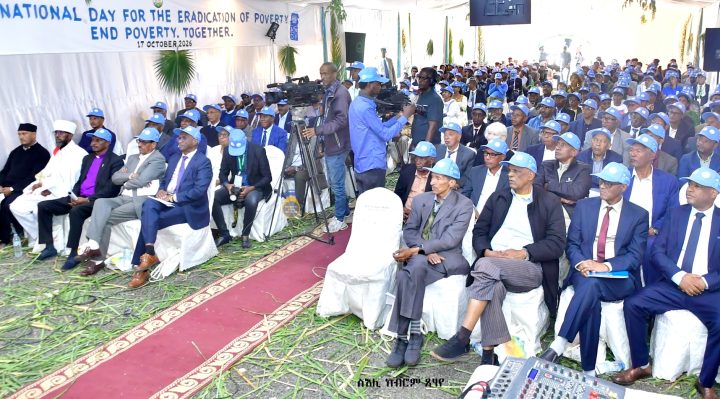
World Food Day and the International Day for the Eradication of Poverty – 2026
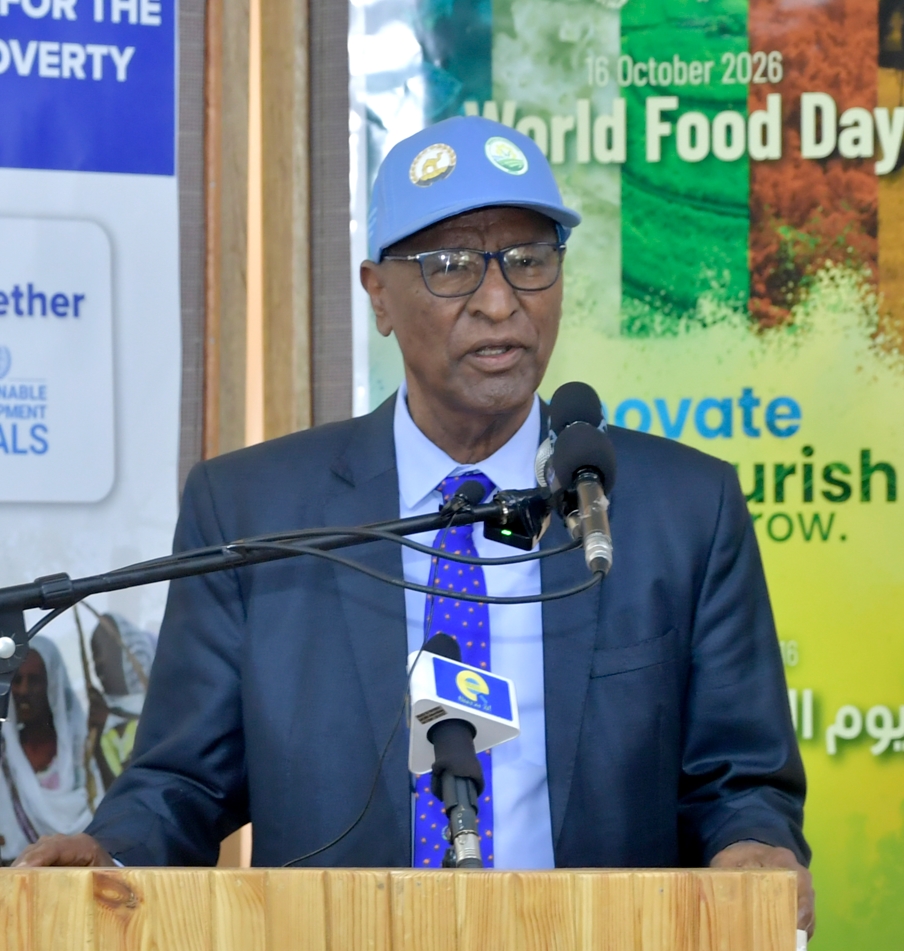
Message of the Ministry of Agriculture By Mr. Tekleab Mesghena, Director General,
Regulatory Services Department, Ministry of Agriculture
Your Excellency Arefaine Berhe, Minister of Agriculture
Senior PFDJ and Government Officials,
Representatives of United Nations Agencies in Eritrea,
Religious Leaders,
Ladies and Gentlemen!
On behalf of the organizing committee and myself, it is a great honour and privilege to welcome you to the joint international observance of World Food Day 2026 and the International Day for the Eradication of Poverty.
World Food Day is a day to reflect on one of humanity’s most fundamental needs: access to sufficient, safe and nutritious food. The theme of this year’s observance, “Innovate today. Nourish tomorrow,” reminds us that the food systems we build today will determine the well-being of generations to come. It also reminds us that innovation is not limited to modern machinery or advanced technology. Innovation includes scientific research, improved farming methods, better policies, traditional knowledge, efficient use of natural resources, and—most importantly—the ability to transform knowledge into practical benefits for farmers and communities.
Since Eritrea’s independence in 1991, the Government and people of Eritrea have made substantial investments in water harvesting, soil and water conservation, agricultural research, livestock development, extension services and agricultural infrastructure. One of the noted examples is the development of water resources.
At independence in 1991, Eritrea had approximately 130 dams and water reservoirs. Today, this number has increased to more than 850, comprising large dams, medium reservoirs and micro-dams. These investments have provided water for irrigation, livestock and domestic use and have enabled farmers to establish new farms and expand irrigated agriculture, significantly mitigating the adverse effects of climate change.
Ladies and Gentlemen,
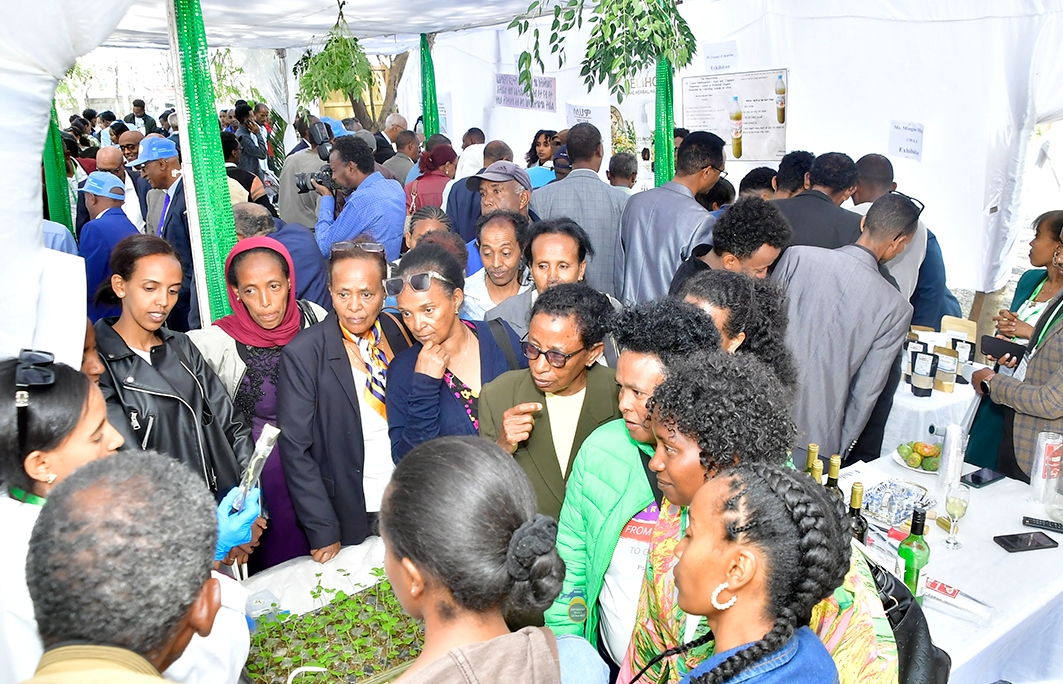
As we fully understand, unless efforts are made to introduce advanced innovative agri-technologies, production output cannot increase to meet the growing food and market demand. In this context, for example, the Ministry of Agriculture, through its National Agricultural Research Institute (NARI), is strengthening crop improvement and plant health research. So far, NARI has developed many improved varieties of cereals, pulses, vegetables and fruits and continues to strengthen tissue culture program, with the aim to produce clean and disease-free planting materials. The multiplication of clean, disease-free potato planting material can help address one of the important disease constraints to potato farming and create a favorable condition for expanding it across many agro-ecological areas.
The Ministry is also paying key attention to the integration of crop production and livestock development, taking into account the wider agri-food system. For this reason, the Ministry is promoting the production of yellow hybrid maize and soybean as an important component of a stronger domestic animal-feed system, particularly for dairy cattle and poultry. Increased local availability of appropriate feed ingredients will definitely enhance livestock productivity, reduce production constraints and create additional opportunities for farmers and agro-processors to boost production output.
Ladies and Gentlemen,
As stated earlier, the Ministry’s current agricultural development strategy is built around a number of complementary approaches, including the Minimum Integrated Household Agricultural Package, or MIHAP; the Small and Medium Commercial Farmers Strategy, or SMCFS; and the Comprehensive Small and Productive Farm Plot, or Comprehensive SPFP. All these approaches combined will finally enhance household food and nutrition security, thereby significantly contributing to poverty alleviation.
These approaches recognize that Eritrean farmer’s do not all operate under the same agro-ecological conditions. Some households have access to irrigation and can integrate crops, vegetables and livestock. Others require intensive production on small plots in rain-fed and water-stressed areas, while the small and medium commercial farmers require technologies, services and an enabling environment to develop their farms as viable businesses.
The Comprehensive SPFP in particular is very interesting, in that it seeks to intensify production on a relatively small plot of land by combining cereals, pulses, oil crops and vegetables with complementary activities such as poultry, beekeeping and dairy production. By integrating different agricultural activities, the SPFP approach improves productivity per unit of land and, and enhances household food and nutritious security and income generation of participating farming communities.
Excellencies and Distinguished Guests,
None of these efforts can succeed without research, practical knowledge and effective regulatory services. Research provides the bases upon which agricultural transformation is built. The National Conference on Eritrean Agricultural Studies 2026, held in August, brought together more than 300 participants and presented 76 research papers addressing agricultural extension, digitalization, value chains, agribusiness, food safety and nutrition, biotechnology, climate change, genetic resources and agricultural governance. The conference reinforced an important principle, and that any research takes into account policy and extension works.
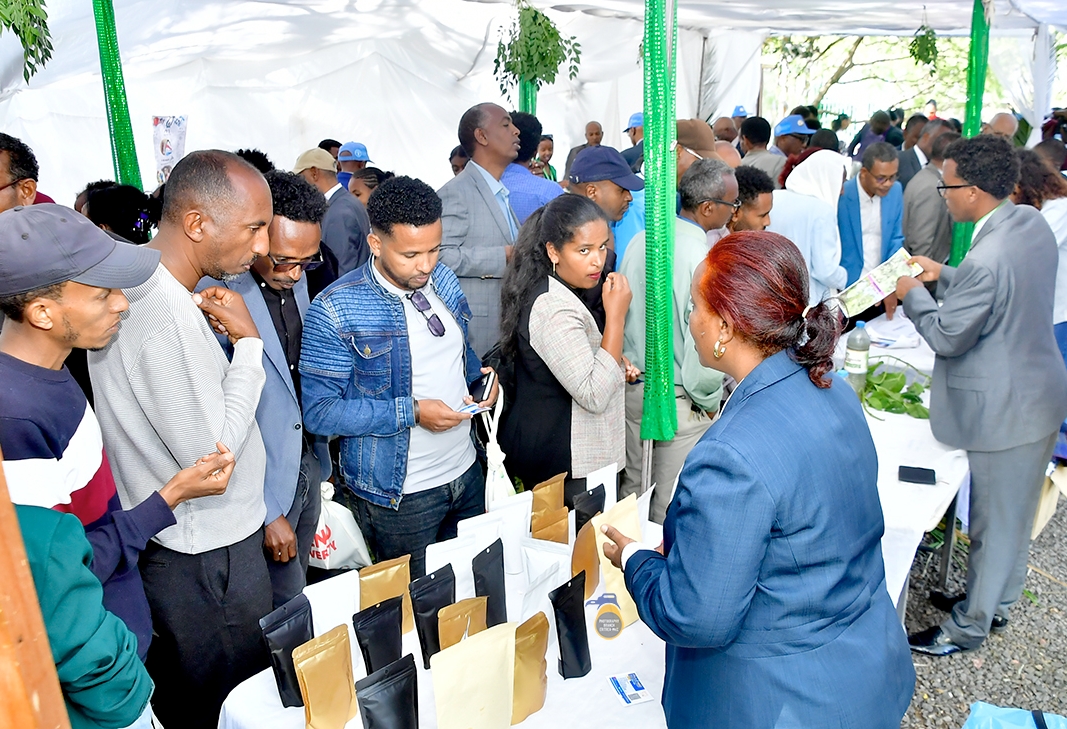
At the same time, regulatory services protect both consumers and producers. Food safety begins at the farm and continues through processing, transportation, marketing and consumption. The Ministry’s regulatory works include inspection and certification of quarantine services, seed quality control, agro-chemicals, food and feed safety, and laboratory services. The development of a National Food Control Policy represents another important milestone towards introducing science-based and risk-informed national food control system.
Ladies and Gentlemen,
The message of “Innovate today. Nourish tomorrow” is ultimately a call to action. Eritrea has already demonstrated that determined national effort, combined with scientific knowledge, community participation and appropriate partnerships, can produce meaningful results. Our responsibility now is to build upon these achievements, scale up successful innovations and transform them into sustainable livelihoods.
Let us therefore continue working together—with determination, innovation and collective responsibility—to build an Eritrea where every household has access to safe and nutritious food, where agriculture provides dignified livelihoods, and where no one community is left behind in our journey toward sustainable development. Let me wish you all a successful observance of World Food Day and the International Day for the Eradication of Poverty.
Before concluding my remarks, we commend the organizing committee for a job well done, and congratulations.
Safe and Nutritious Food for Everyone; Everywhere!
Fonte: Shabait