Compartilhar
Date Palm Production in Eritrea: Current Status and Way Forward
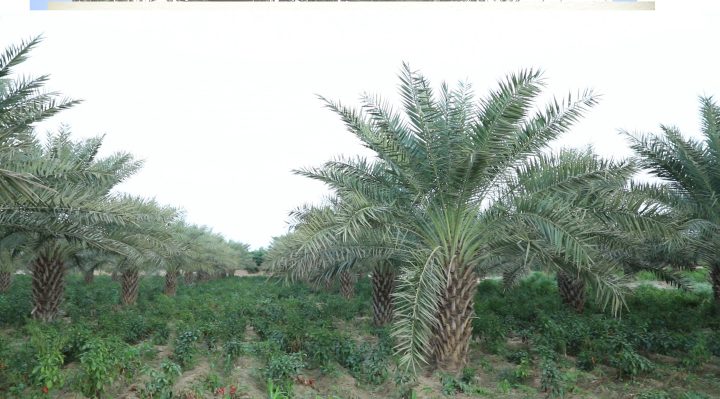
The date palm is one of the world’s oldest and most nutritionally valuable fruit crops. Cultivated in the Middle East since around 7,000 BC, its center of origin is widely believed to lie in present-day Iraq and its surrounding regions. Today, this resilient crop forms a vital pillar of coastal agricultural development in Eritrea. To share insights into the country’s ongoing efforts, Mr. Musse Fikadu, Date Palm Development Project Coordinator at the Ministry of Agriculture, provided an overview of the sector’s current status and strategic vision.
* * *
What is the current status of date palm development in Eritrea?
Date palms thrive best in arid and semi-arid environments. Date palm cultivation is an agricultural venture with enormous economic, nutritional, environmental, and social benefits. Eritrea possesses an extensive coastline stretching from Ras Qeisar to Ras Dumera, providing highly suitable agro-ecological conditions for date palm cultivation. To utilize this valuable natural resource for the benefit of the people, the Ministry of Agriculture has launched a large-scale Date Palm Development Project along the coastal areas of both the Northern Red Sea and Southern Red Sea Regions.
To date, approximately 50,000 date palm seedlings have been planted. About 65% are located in the Northern Red Sea Region, 30% in the Southern Red Sea Region, while the remaining plantations are found in the Gash Barka, Anseba, and Southern Regions. The project is not intended solely to increase agricultural production. It also aims to combat desertification and transform dry, degraded lands into productive agricultural areas. Currently, farmers receive date palm seedlings through the support of the Ministry of Agriculture. In the future, however, they will also receive practical training enabling them to propagate and multiply planting materials independently. The Ministry recommends the use of tissue culture-derived or offshoot-propagated planting materials because these produce genetically true-to-type plants and begin bearing fruit within a relatively short period.
What is meant by genetically true-to-type?
Genetic true-to-type refers to the ability of planting materials produced through advanced scientific techniques—such as tissue culture or vegetative propagation using offshoots—to produce plants that are genetically identical to the parent variety. By contrast, propagation from seed requires approximately eight years before fruiting and does not maintain the genetic characteristics of the parent plant. Furthermore, the sex of seed-grown palms cannot be identified until they mature after several years, making seed propagation unsuitable for commercial production. Consequently, seed propagation is mainly recommended for research purposes. For commercial production, farmers are advised to use either offshoots or tissue-culture vitro plants supplied through the Ministry of Agriculture.
What are the benefits of date? Where do the seedlings currently come from?
At present, the Government, in collaboration with its development partners, mainly IFAD, FAO, and UNDP, imports superior date palm varieties, provides capacity-building programs, and then distributes them to farmers interested in commercial and household production. The propagation techniques employed ensure that farmers receive high-quality planting materials with significant economic value.
The benefits of date palms are numerous.
Above all, they contribute to the availability of safe, nutritious, and high-quality food. Date palm cultivation also improves farmers’ livelihoods and strengthens the rural economy. Currently, farmers harvest between 50 and 70 kilograms of dates per tree per year, and production continues to increase steadily.
Nutritional value
Dates are highly nutritious fruits rich in natural sugars, iron, potassium, vitamins, and various essential minerals. They are widely recognized for helping prevent anemia and improving general health. Scientific literature also indicates that dates contribute to reducing the risks associated with cardiovascular diseases, high blood pressure, and several other health conditions.
Environmental benefits
Date palms are generally cultivated in arid and desert environments. They help stabilize soils by reducing erosion caused by wind and water. Over time, they improve soil fertility and enhance the local microclimate, making previously harsh environments more suitable for both plant and animal life. Moreover, vegetables, fruit crops, spices, and other agricultural products can be successfully grown beneath date palms, making efficient use of available land. In short, date palm cultivation transforms dry and barren landscapes into productive ecosystems.
Research further shows that a single mature date palm can absorb approximately 200 kilograms of carbon dioxide annually, storing carbon through the process of photosynthesis. Consequently, expanding date palm plantations can make a significant contribution to mitigating climate change.
Social and economic benefits
Communities living along Eritrea’s Red Sea coast have long benefited from date palms. The trunks, leaves, and fibers are widely used for constructing traditional shelters and producing household items such as baskets, mats, roofing materials, and various handicrafts. Thus, date palms provide not only food but also raw materials that support rural livelihoods and improve the socio-economic well-being of coastal communities. A date palm can remain productive for well over 100 years, providing continuous benefits across generations. Since date palms flourish where few other crops can survive, they represent an ideal crop for the sustainable development of Eritrea’s drylands.
What are the plans for date palm development?
The Ministry plans to significantly expand date palm cultivation along the Red Sea coastal areas. Under the Agriculture and Food Development Strategy, the objective is to increase the number of planted date palms to approximately one million trees by 2030–2031. Successful implementation of this program will substantially increase domestic date production and enable Eritrea to become a recognized producer of quality dates while generating considerable environmental and socio-economic benefits.
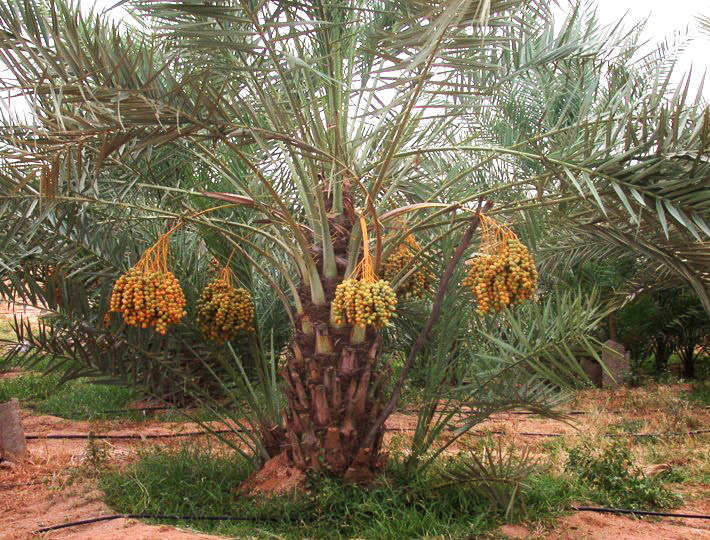
What’s different about Eritrean dates?
There are noticeable differences, particularly in processing and packaging. Imported dates are generally marketed using more advanced packaging technologies. Eritrea is working hard to introduce similar modern packaging systems that allow consumers to purchase dates in packages of different sizes according to their needs. The Ministry is also expanding the cultivation of internationally recognized premium varieties such as Medjool and Barhi, both of which enjoy strong market demand.
Is there sufficient opportunity for farmers to invest in date palm production?
Eritrea possesses highly favorable climatic conditions and abundant potential for date palm cultivation. Seasonal rivers flowing from the highlands recharge underground water resources, making groundwater available at relatively shallow depths in many coastal areas. Despite these favorable conditions, much of the country’s potential remains underutilized. From Ras Qeisar to Ras Dumera lies an extensive coastline suitable for date palm production, complemented by Eritrea’s hardworking farming communities.
Many countries with less favorable climates and land resources generate substantial income from date production. Therefore, by addressing the existing constraints and fully utilizing the available resources, Eritrea can significantly expand its date palm industry.
Final message to farmers
The Ministry encourages all farmers interested in date palm production to avoid propagation by seed, as it is neither economical nor suitable for commercial cultivation. Instead, farmers are advised to consult their nearest agricultural office or extension personnel and use tissue culture-derived or offshoot-propagated seedlings introduced by the Ministry of Agriculture. The use of certified planting materials will ensure higher productivity, earlier fruiting, true-to-type varieties, and better long-term economic returns, thereby supporting the sustainable development of Eritrea’s date palm industry.
Prepared by the Public Relations Office, Ministry of Agriculture
Fonte: Shabait