Compartilhar
An Overlooked Public Health Story
Life expectancy is an important health- and development-related statistic. However, it is much more than that. It is also a powerful reflection of a society’s ability to protect, sustain, and improve human life. It captures the combined effects of healthcare access, nutrition, sanitation, education, economic conditions, and public policy. For this reason, it remains one of the most widely recognized indicators of national development and population well-being.
Across the world, life expectancy has increased dramatically over the past century, driven by medical advances, improved living conditions, disease prevention, and stronger public health systems. Unfortunately, however, these gains have not been evenly distributed. While some nations have achieved remarkable progress, others continue to face significant barriers, including limited resources, infrastructure challenges, and persistent health inequalities.
Against this global backdrop, Eritrea represents an often-overlooked public health success story. Despite a variety of challenges, it has achieved one of the most significant improvements in life expectancy in Africa, and even the broader developing world, since independence. Its experience demonstrates how sustained investment in primary healthcare, prevention, community participation, and social infrastructure can produce meaningful health gains even under difficult circumstances.
To begin, international institutions, including the United Nations, the World Health Organization, and the World Bank, define life expectancy as the average number of years a newborn is expected to live if current mortality patterns remain unchanged throughout their lifetime. Although the measure is statistical in nature, its implications extend far beyond a single number.
Life expectancy provides a broad picture of a population’s health status and serves as a key indicator of human development. It is incorporated into the United Nations Human Development Index and is closely associated with improvements in education, income, infrastructure, and social stability. Higher life expectancy generally reflects stronger healthcare systems, improved disease prevention, and better overall living conditions.
Historically, humanity’s progress in life expectancy has been extraordinary. Advances in vaccination, antibiotics, maternal healthcare, clean water access, sanitation, and nutrition have transformed survival outcomes worldwide. Global average life expectancy has risen from around 30–40 years two centuries ago to approximately 74 years today, representing a remarkable achievement in human development.
One overlooked story amidst this backdrop of global progress is Eritrea. When it gained independence in the early 1990s, life expectancy was below 50 years. The country inherited a fragile healthcare system with limited infrastructure, inadequate medical resources, and significant public health challenges.
Over the following decades, however, Eritrea recorded substantial improvements. Life expectancy has increased to more than 69 years, representing a gain of nearly two decades within a single generation. This progress places Eritrea among the strongest performers in Africa, with life expectancy exceeding the average for Sub-Saharan Africa and narrowing the gap with global levels.
This transformation did not occur through a single policy or isolated intervention, but resulted from a long-term strategy centered on expanding access to essential services, strengthening prevention, and prioritizing healthcare as a foundation of national development.
At the heart of Eritrea’s health strategy has been a strong emphasis on primary healthcare and universal access. The country’s health policy has focused on ensuring that essential services reach communities across urban and rural areas, particularly populations that historically faced barriers to care.
Primary healthcare has served as the backbone of this approach. Free services, including childhood immunizations, maternal and child healthcare, nutrition support, and health education programs, have helped reduce preventable illness and improve survival outcomes.
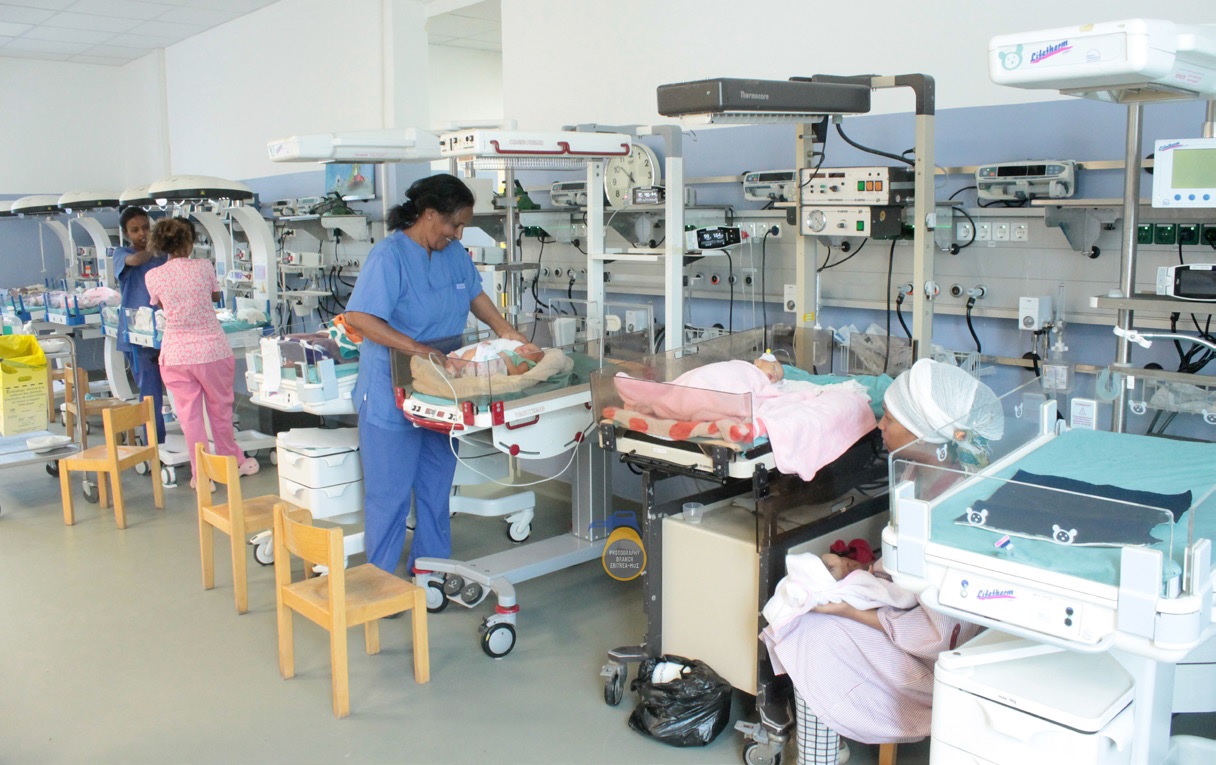
Additionally, the country has expanded access to treatment for major health challenges, including tuberculosis, HIV/AIDS, hypertension, and diabetes. By emphasizing prevention, early detection, and affordable treatment, Eritrea has worked to reduce both infectious and non-communicable disease burdens.
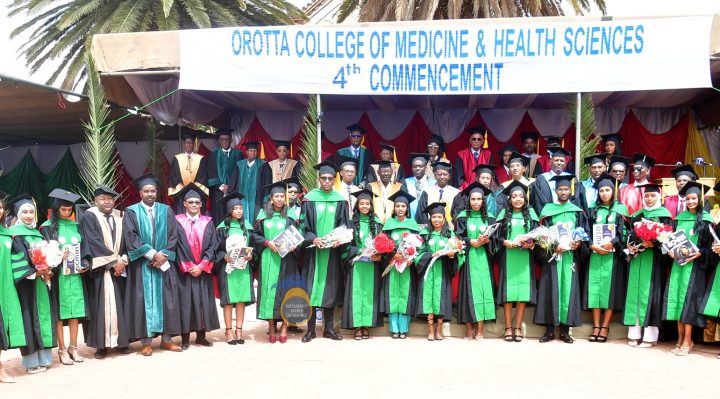
One of the most significant achievements has been the expansion of healthcare infrastructure in the country. Since independence, Eritrea has multiplied the number of health facilities nationwide, reaching nearly 350 hospitals, health centres, stations, and clinics. Today, more than 80 percent of the population lives within 10 kilometres of a health facility, while over 70 percent live within five kilometres. This expansion has been supported by investments in healthcare professionals. The government has prioritized training, recruitment, and deployment of medical personnel, covering education costs and supporting the growth of a national health workforce capable of serving communities throughout the country.
Notably, Eritrea’s health progress has also been supported by constructive partnerships with trusted international and regional organizations, which have contributed technical expertise, capacity building, and support in areas such as disease prevention, maternal and child health, and health system strengthening. These collaborations have complemented Eritrea’s own investments and helped advance shared public health goals.
Alongside the above, Eritrea’s progress in water, sanitation, and hygiene (WASH) has contributed significantly to reducing preventable diseases. Expanded access to safer water sources and improved sanitation systems has helped lower the spread of waterborne illnesses, reduce childhood mortality, and address neglected tropical diseases such as trachoma and schistosomiasis.
Nutrition has been another important component of the country’s health improvements. Adequate nutrition strengthens immune systems, supports healthy childhood development, and reduces vulnerability to both infectious diseases and chronic conditions later in life. The nation’s investments in agriculture, school feeding initiatives, and community nutrition programs have contributed to reducing undernutrition and improving overall population health.
A crucial element of Eritrea’s progress has been its focus on prevention. Public health campaigns, vaccination programs, and community-based health workers have helped identify risks earlier and reduce disease transmission.
Community participation has been particularly important. By bringing health services closer to households, local health workers have helped improve awareness, encourage preventive practices, and connect people with essential care before illnesses become more serious. This preventive approach has strengthened the efficiency of the health system by reducing pressure on hospitals while improving health outcomes across the population.
Overall, Eritrea’s improvement in life expectancy demonstrates that meaningful public health progress is possible even in countries facing significant economic and structural challenges. Its experience challenges the idea that only wealthy nations can achieve rapid improvements in population health.
Fonte: Shabait