Compartilhar
Building Artificial Intelligence Capabilities for Eritrea’s Development: Reflections from UN Day 2026
Artificial intelligence (AI) is increasingly influencing the way societies approach development, scientific research, education, healthcare and technological innovation. As the technology continues to evolve, building the capacity to understand, develop and responsibly integrate AI into different sectors has become an important consideration for countries seeking to boost their development potential. Meaningful engagement with AI requires more than adopting new technologies. It calls for investment in education, digital infrastructure, research, reliable data systems and the development of human expertise capable of adapting technological advances to local needs and priorities.
For Eritrea, exploring the potential of AI presents an opportunity to consider how emerging technologies could support national development while responding to the country’s particular circumstances. In areas such as healthcare, agriculture, education, scientific research and public services, AI-enabled applications may offer new ways to analyze information, improve efficiency, support decision-making and address practical challenges. Realizing these possibilities, however, depends on developing the necessary technical skills, strengthening institutional readiness and ensuring access to reliable data and appropriate digital infrastructure. Equally important is the development of local knowledge and language resources so that AI applications can better reflect Eritrean realities, avoiding dependence on systems designed for other contexts.
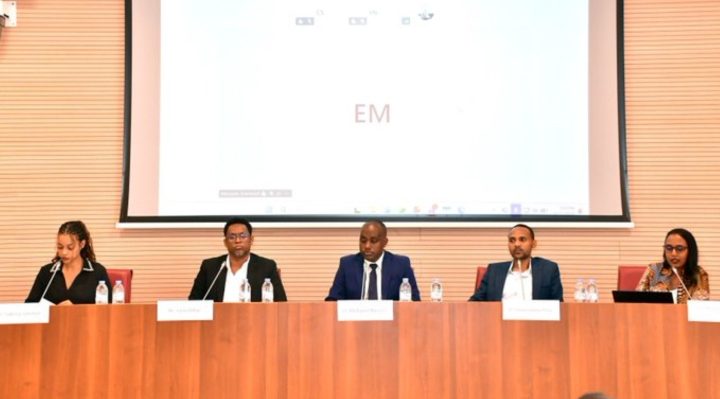
These considerations provided an important context for the United Nations Day 2026 in Eritrea, which was held on 15th October in Asmara. The event was marked by a high-level panel discussion entitled “AI and Eritrea’s Development Story: Building Capability, Strengthening Visibility and Shaping the Future.” It featured discussions on artificial intelligence and development with youth-led innovation, sustainable design and creative expression.
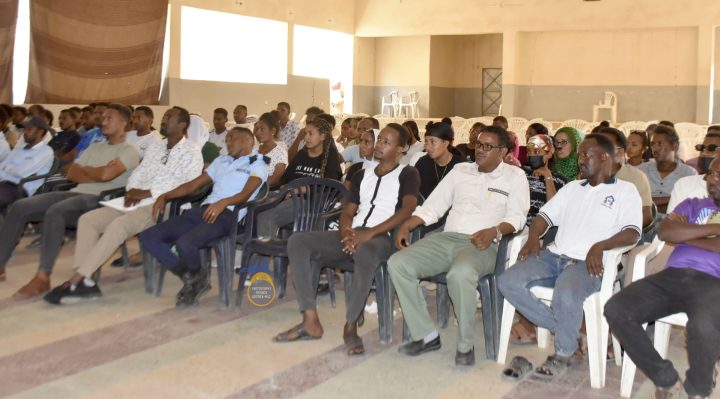
The event brought together government officials, representatives of the United Nations, members of the diplomatic community, members of academia and young Eritrean professionals to discuss the potential contribution of artificial intelligence to national development. The discussion provided a platform for examining how AI-enabled approaches could respond to practical development priorities, while considering the capabilities, infrastructure, safeguards and partnerships required for responsible engagement with the technology.
After the panel discussion was formally opened by Dr. Araya Zeray, Dean of Mai-Nefhi College of Engineering and Technology, it turned to a broad examination of AI and its implications for Eritrea’s development, bringing international and regional perspectives into conversation with national priorities and local realities.
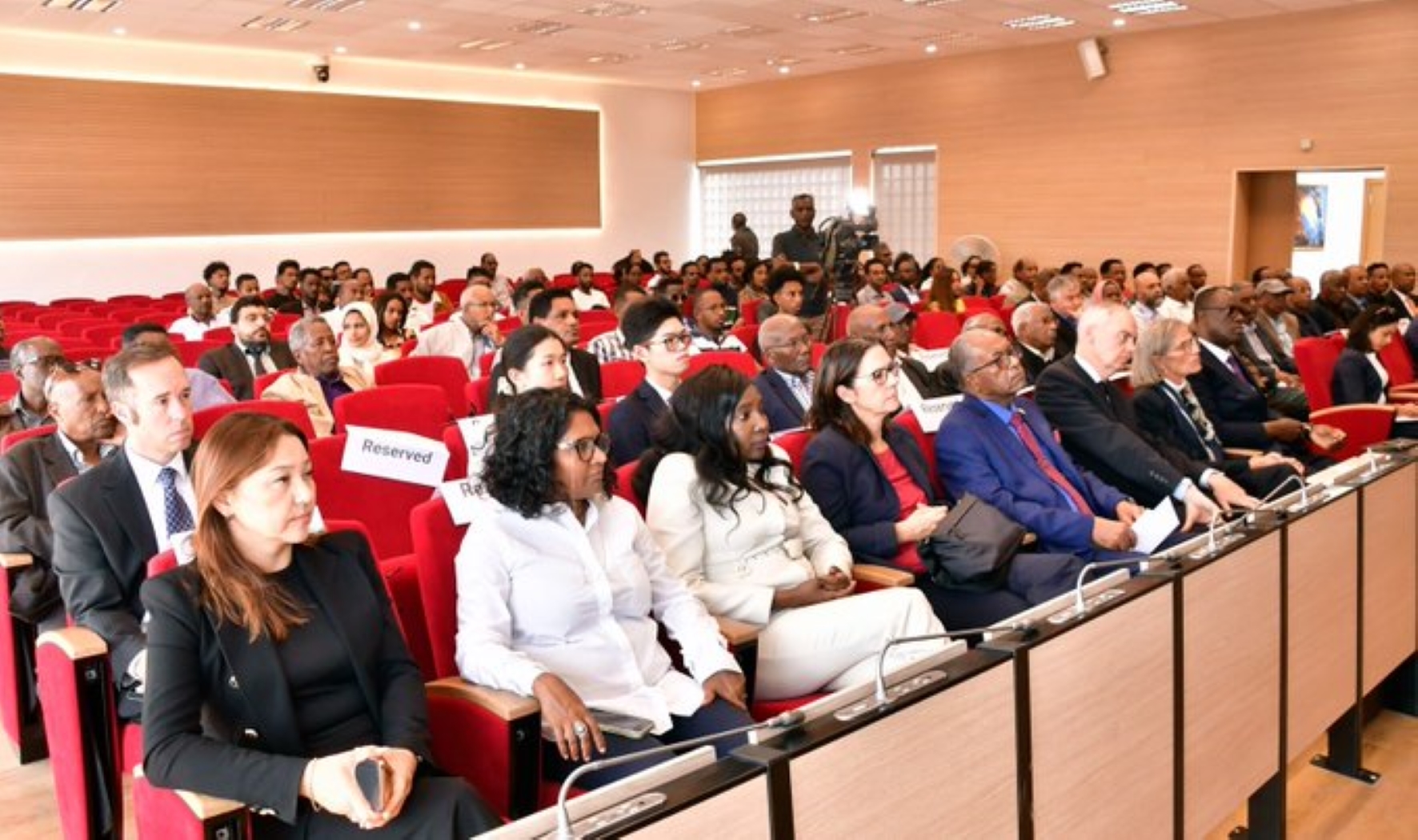
In her remarks, Ms. Nahla Valji, United Nations Resident Coordinator in Eritrea, emphasized the importance of placing people at the center of discussions about artificial intelligence. “The most important question before us today is not what artificial intelligence can do. It is what we decide it should do for people,” she said. Her remarks highlighted the need to approach AI not simply as a technological transformation, but as a process whose direction and impact should be shaped by human needs, national priorities and responsible decision-making.
Referring to the first Global Dialogue on Artificial Intelligence Governance convened by the United Nations earlier in 2026, Ms. Valji recalled the fundamental choice raised by the Secretary- General: whether people would shape the transformation together or allow it to shape them. Bringing this global question into the Eritrean context, she raised the importance of considering what artificial intelligence means for Eritrea and how it can contribute to national development while remaining grounded in human dignity, national priorities and local realities.
The panelists explored areas where AI-enabled approaches could add practical value to Eritrea’s development priorities and examined the conditions necessary to pursue such opportunities responsibly. The conversation was designed to be accessible, strategic and nationally grounded, considering development needs alongside questions of readiness, opportunity and risk. It also addressed the importance of national data, knowledge and language resources and the role these can play in shaping an approach to AI that is relevant to the Eritrean context.
Dr. Emmanuel C. Manasseh, Regional Director for Africa at the International Telecommunication Union, brought to the discussion regional experience in connectivity, digital infrastructure, institutional readiness, digital policy and technology governance. These areas are closely connected to the foundations required for effective engagement with AI, including the availability of reliable connectivity, the development of appropriate institutional capacities and the establishment of frameworks for responsible technology use.
Isaias Okbai, Chief Technology Officer of Poly-tech in Asmara, shared his experience in practical technology training, youth engagement and public understanding of emerging technologies. He highlighted the importance of making technological knowledge accessible and connecting emerging digital capabilities with practical skills. Developing public awareness and equipping young people with relevant competencies are important considerations as AI becomes more prominent in education, professional environments and the wider society.
Dr. Yemane, who teaches AI at Mai-Nefhi College, presented an academic perspective on AI education, curriculum development, foundational skills and student preparation. He spoke on the role of educational institutions in building the knowledge and technical capacity needed to understand and apply AI. Developing these foundations can help students move beyond simply using AI tools towards understanding how the technology works, recognizing its limitations and critically evaluating its outputs.
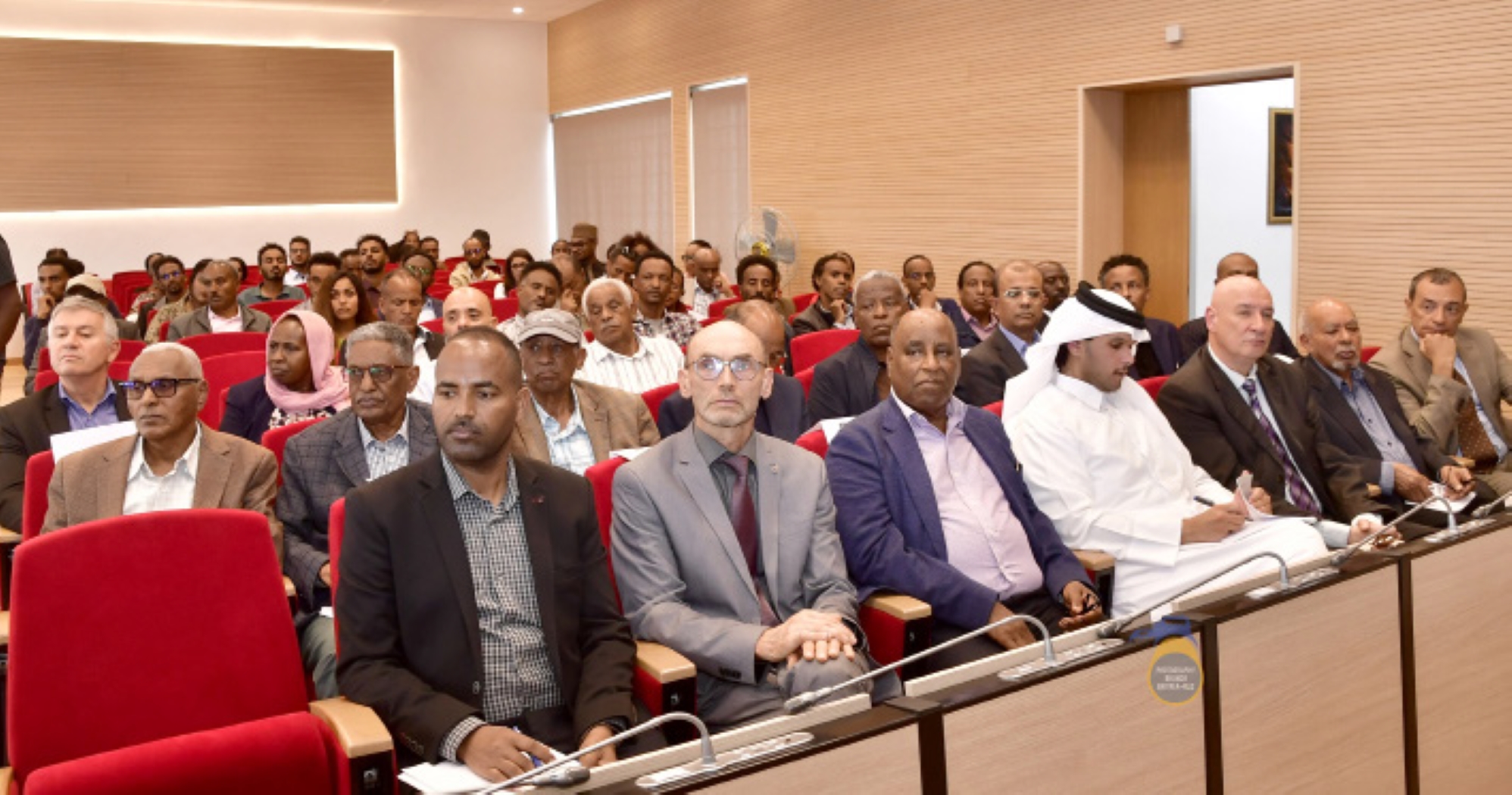
The panel discussion also covered biomedical research, bioinformatics, technological innovation and AI awareness. In the discussion, Dr. Medhanie Marikos, a biomedical expert, highlighted the relevance of AI to scientific inquiry and health-related applications.
These areas offer opportunities to examine how computational tools can support the analysis of complex information and contribute to research processes. At the same time, their effective application depends on data quality, reliable research systems, appropriate technical expertise and human oversight. The discussion, therefore, considered not only potential applications but also the practical requirements and responsibilities involved in exploring them.
The high-level dialogue in Asmara offered an opportunity to examine artificial intelligence in relation to Eritrea’s development priorities, emphasizing the importance of capability-building, relevance to the local context and responsible engagement. Its central themes extended beyond the adoption of new technologies to include education, research, connectivity, data quality, institutional readiness and collaboration. These considerations are essential to determining where AI can make a meaningful contribution and how its potential can be explored without losing sight of the needs it is intended to serve.
As AI continues to evolve, the challenge for countries is not simply to follow technological developments but to build the knowledge, institutions and partnerships needed to make informed choices about their application. For Eritrea, this means exploring opportunities in ways that are responsive to national priorities, grounded in local realities and supported by the development of human and technical capacity. Through dialogue among institutions, researchers, technology professionals and young people, the questions raised during the panel discussion contribute to a wider conversation about how AI can be understood, assessed and responsibly integrated into the country’s development journey.
Fonte: Shabait