Compartilhar
Eritrea as a Living Lighthouse on the Red Sea
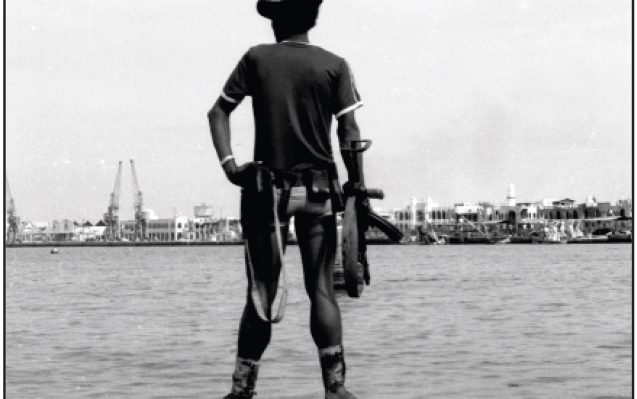
In February 1990, during Operation Fenkil—the historic offensive that liberated Massawa—Eritrean photographer Abraham Haileslasie captured an iconic image of freedom fighter Martyr Gilay Mehari, popularly known by his nom de guerre, “Gebel” (Serpent). Standing resolutely by the water, Gilay appeared like a living lighthouse keeping watch over his country’s Red Sea coast. Though he made the ultimate sacrifice just weeks later on the Kubey, Ghinda Frontline, that single photograph has endured far beyond the battle it recorded, coming to embody the soul of the nation he died to free.
Just as Gilay stood steadfast above the shore, Eritrea itself rises along the coast as a living lighthouse on the Red Sea— sustained not by stone and mortar, but by the enduring values of its people. Gilay’s posture echoes the historic stone lighthouses that have guided mariners along Eritrea’s shoreline for generations, from Massawa and Assab to the islands of the Dahlak Archipelago. Built to withstand scorching heat, salt-laden winds, and fierce sea squalls, these coastal towers serve one vital purpose: to remain unshaken and guide travelers safely through darkness and uncertainty.
Yet a lighthouse’s right to stand watch over the sea is never granted lightly; its lamp endures only because generations of keepers have defended the tower against the fiercest tempests. For Eritrea, reclaiming and safeguarding its Red Sea coastline demanded an extraordinary price in resilience, sweat, and generational sacrifice. For decades, the Eritrean people stood largely alone against occupying forces heavily armed and backed by powerful foreign interests seeking to control these strategic waters. From the trench-scarred mountains of Sahel to the fiery naval and coastal battles that liberated Massawa and Assab, tens of thousands of sons and daughters laid down their lives so that Eritrea’s shoreline would never again be severed from its people. Every beam of light shining across the Red Sea today is paid for by that sacred debt – a reminder that sovereignty over these waters was not gifted but re-asserted and won through unmatched courage and unwavering determination.
In the same way, every structural element and maritime function of a lighthouse finds a living parallel in the cultural values that define Eritrea’s national identity, woven into the fabric of everyday life.
Before a lighthouse can illuminate the sea, it must first solve the challenge of survival. Its foundation must be anchored deep in solid bedrock, because a tower built on shifting sand cannot withstand relentless waves. Its strength depends not merely on its height, but on the stability of what lies beneath it.
In Eritrean society, that bedrock is resilience—a cultural ethos of steadfastness, patience, and quiet endurance. Through decades of existential struggle, sacrifice, and the arduous task of rebuilding from the ground up, the Eritrean people have weathered storms that would have fractured weaker foundations. Resilience in Eritrea is rarely loud or theatrical; rather, it is disciplined and woven into daily routine. Against steep odds, Eritreans turn hardship into resolve. Like coastal stone smoothed and hardened by centuries of salt spray, the Eritrean spirit absorbs adversity and converts it into lasting structural strength.
Many of the world’s most vital lighthouses stand on remote headlands or isolated rocky islets, far removed from mainland supply lines. When night falls and a storm rolls in, a lighthouse cannot wait for distant ships to bring oil or rescue; its lamp must burn using energy generated and maintained from within.
This function mirrors one of Eritrea’s defining national norms: self-reliance. Born of necessity and refined into a point of collective pride, self-reliance shapes how Eritreans approach both national development and personal responsibility. From community-led soil and water conservation projects – such as terracing steep highland slopes and constructing micro-dams – to local craftsmanship, resourcefulness, and mutual aid in towns and villages, Eritreans believe in building and maintaining their country with their own hands. Hard work is viewed not merely as an economic necessity, but as a safeguard of dignity. By fueling their own lamp through local ingenuity and collective labor, the Eritrean people ensure their nation’s light never depends on someone else’s switch.
A bare flame burning in the open air scatters weak light in every direction, fading quickly into the surrounding darkness. To cast a beam visible twenty miles out at sea, a lighthouse relies on a Fresnel lens – an intricate system of angled glass prisms working together to gather every stray ray of light and focus it into one powerful shaft cutting through the fog.
Eritrea’s social fabric operates on this exact principle. Home to nine ethnic groups with rich linguistic traditions alongside Christian and Muslim communities living as one, Eritrea’s diversity is a wellspring of collective strength. Deeply rooted norms of mutual respect, brotherhood, and shared national identity act as those interlocking prisms. Across every neighborhood, citizens celebrate holidays together, share meals, and stand shoulder to shoulder in moments of joy and grief alike. Working in natural harmony, the Eritrean people gather every distinct thread of their heritage into a single, cohesive beam of national unity.
To a sailor at night, the greatest danger is rarely the open sea; it is the jagged coral reef or submerged rock shelf hiding just beneath calm-looking waters. A lighthouse exists to mark those unseen hazards and warn vessels away before disaster strikes.
Within Eritrean communities, strong moral norms and customary laws serve as that protective warning system. At the heart of this structure is a sacred trust passed from one generation to the next, reinforced by respect for elders, parental guidance, and collective solidarity. In Eritrean life, no individual is meant to navigate crises alone. Through social institutions like iqub (communal savings groups) and collective participation in weddings, births, and mourning (hazeni), communities catch those who stumble and steer young people away from destructive paths. These norms safeguard the social fabric as surely as a coastal lighthouse protects ships from hidden reefs.
A lighthouse does not interrogate the flag a ship flies or judge the wealth of its cargo before offering guidance. Whether a vessel is large or small, familiar or foreign, its light shines equally for every traveler navigating the dark.
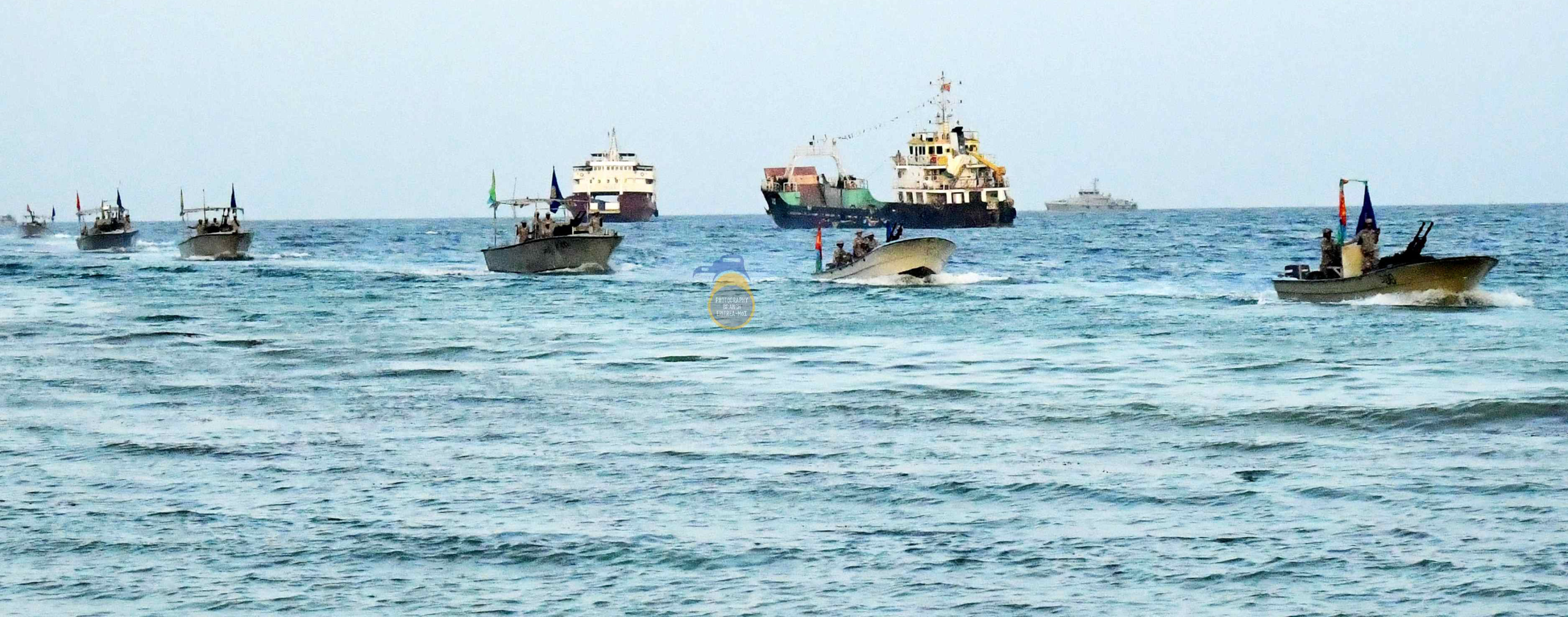
In everyday Eritrean culture, this impartial generosity lives through unconditional hospitality, modesty, and respect for human dignity. Hospitality in Eritrea is not treated as an occasional formality; it is woven into the rhythm of ordinary days. It is visible in the unhurried ritual of the traditional coffee ceremony, where the roasting of green beans, the drifting scent of incense, and the sharing of three rounds of coffee create a space of peace, conversation, and equality. It is equally present in the simple act of tearing flatbread (injera) to share from a communal platter, where guests and neighbors are always offered the best portion first. By treating every person with fairness, humility, and warmth, Eritreans cast a light that honors shared humanity.
Finally, a lighthouse does not wander, boast, or seek applause when the sun rises. Its greatness lies in its constancy – standing at its post night after night, season after season, fulfilling its duty with quiet discipline.
Eritrean culture similarly prizes steady action over loud rhetoric. Across the plateau of the central highlands, the fertile plains of Gash-Barka, the misty green slopes of Filfil, and the sun-baked shores of the Red Sea, ordinary citizens carry out their responsibilities with quiet pride and integrity. Students studying under modest lamps, farmers tending dryland crops, teachers shaping young minds, and elders mediating community disputes all serve as keepers of the national flame.
Stone towers along a coastline may weather over centuries, and maritime technology may evolve, yet the timeless purpose of a lighthouse remains unchanged. In the same way, while generations pass and eras shift, Eritrea’s enduring strength rests in the character of its people. Anchored in the bedrock of resilience, focused through unity in diversity, and guided by moral solidarity, hospitality, and constancy, these living values form the foundation, the tower, and the flame – making Eritrea itself a living lighthouse on the Red Sea, shining steadily toward its future.
Fonte: Shabait