Compartilhar
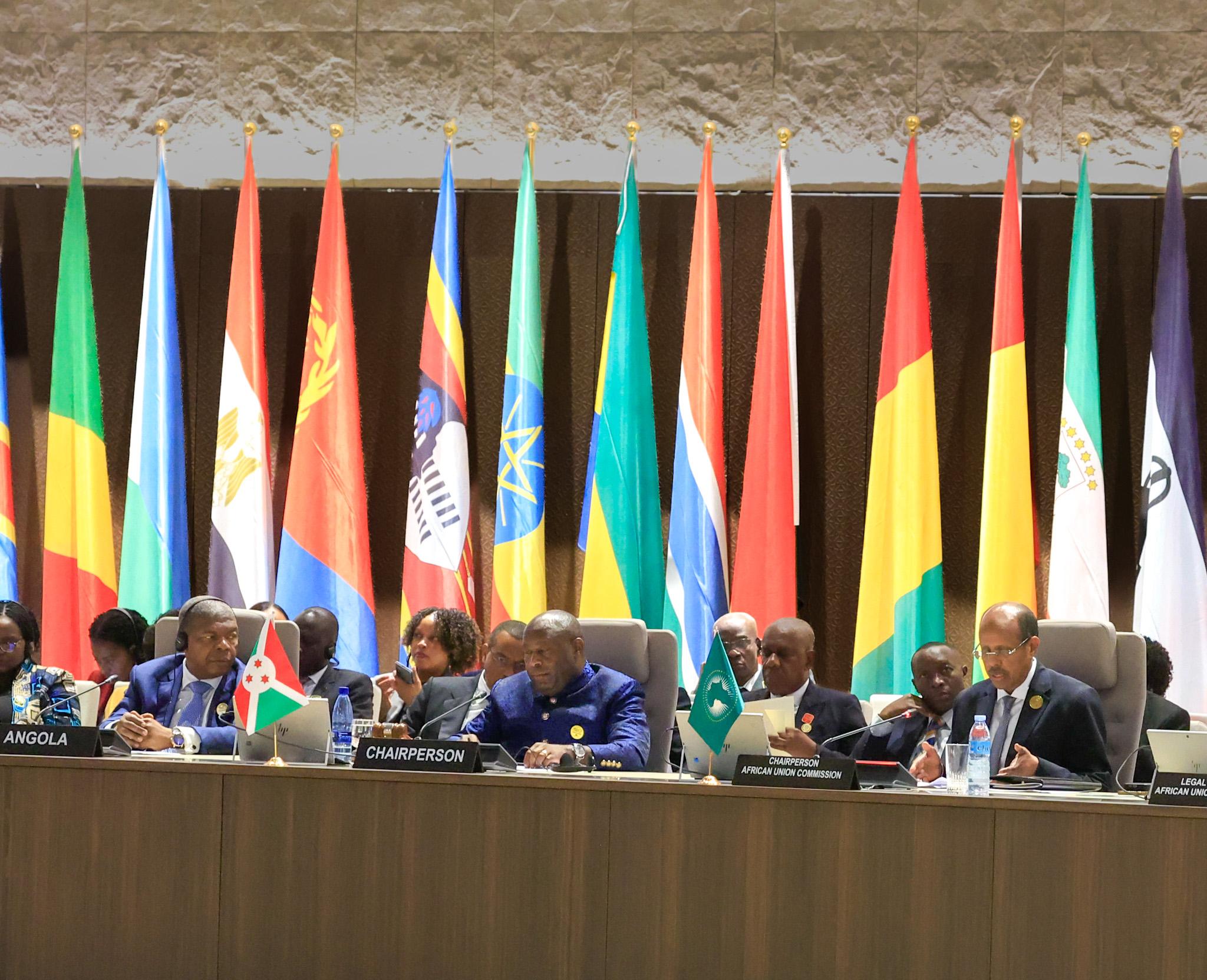
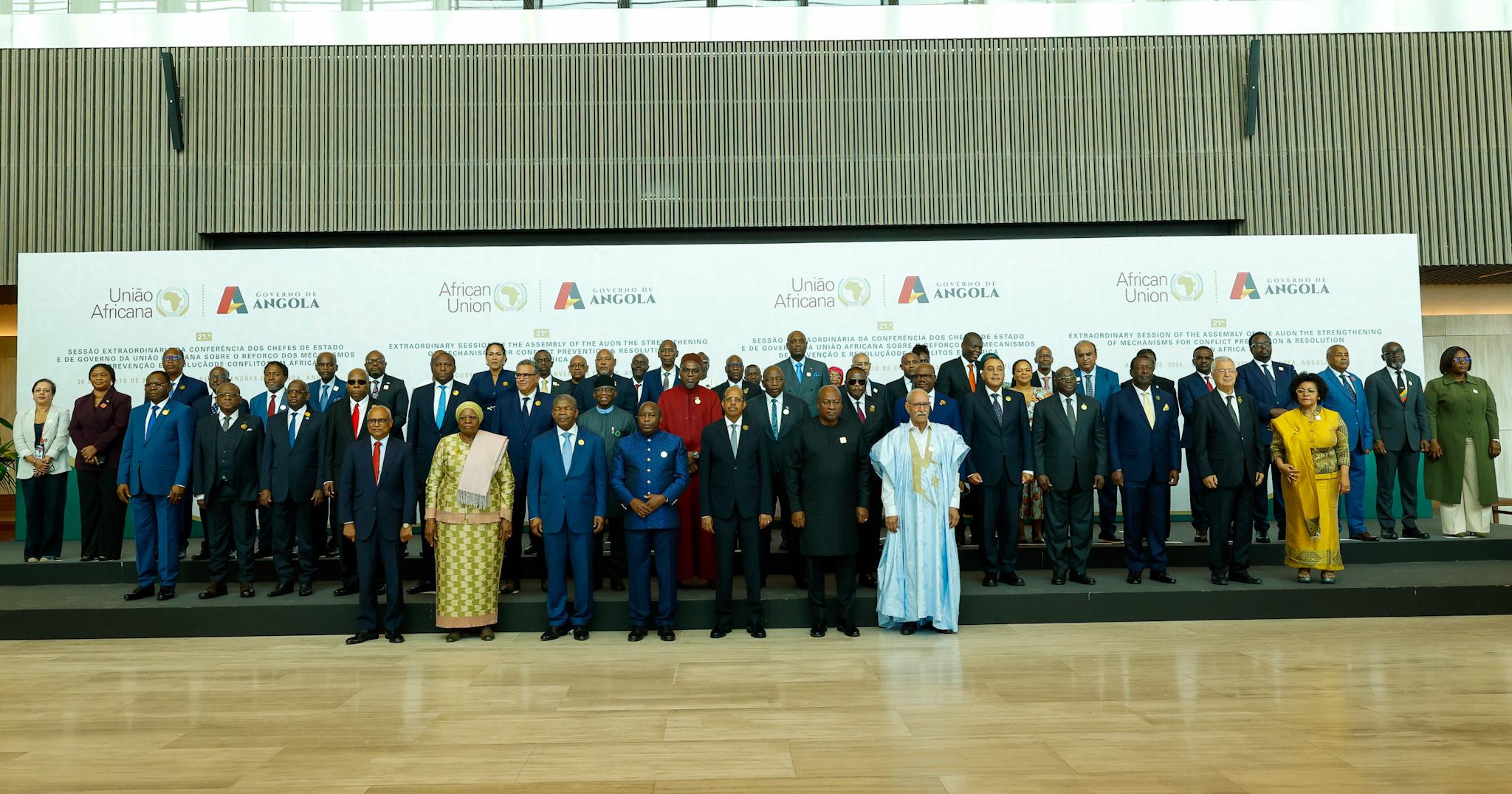
Statement by the Delegation of the State of Eritrea at the 21st Extraordinary Session of the Assembly of the African Union on The Strengthening of Mechanisms for Conflict Prevention and Resolution in Africa 30 August 2026, Luanda, Republic of Angola
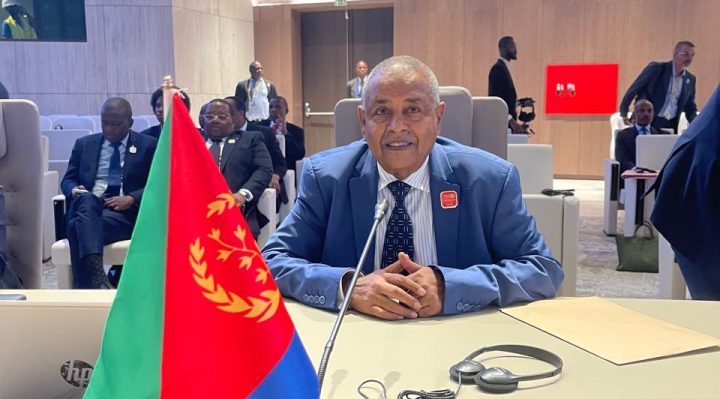
Mr. Chairperson,
Allow me, at the outset, to express my heartfelt gratitude to the people and Government of the Republic of Angola for the warm hospitality accorded to me and my delegation since our arrival in the beautiful city of Luanda.
Mr. Chairperson,
Africa continues to suffer from violent conflicts arising from both internal and external factors. At the same time, the mechanisms for conflict prevention and resolution that the continent has developed over the years have not proven sufficiently effective in addressing the conflicts confronting Africa. African agency is further undermined when non-African countries and organizations pursue competing, overlapping and externally driven initiatives on the continent.
Against this backdrop, the theme of this Extraordinary Summit—Strengthening of Mechanisms for Conflict Prevention and Resolution in Africa—is both timely and highly relevant.
Mr. Chairperson,
The root causes of conflicts in Africa vary from one situation to another. Nevertheless, ethnic and religious polarization, state fragility, corruption, exclusionary and divisive politics, and external interference are among the factors that frequently cause or exacerbate conflicts.
There must therefore be deliberate, sustained and comprehensive efforts to address these challenges in a coherent and strategic manner.
Effective conflict prevention begins at the national level. Hence, the primary responsibility of African States for the promotion and maintenance of peace and security must be accorded utmost importance. Strong and effective national institutions and mechanisms for preventing and resolving conflicts are prerequisites for building robust sub-regional and continental peace and security architectures.
In order to curb and reverse the worrying regression in state-building processes, there is an urgent need to move away from identity-based and divisive politics towards citizenship-based politics as a foundation for building cohesive, resilient, inclusive and stable states.
The concentration of national resources in the hands of a few must give way to equitable utilization of national resources for the benefit of all citizens.
Mr. Chairperson,
At the sub-regional and continental levels, it is imperative to undertake a thorough evaluation of the existing peace, security and governance architectures, with a view to identifying their shortcomings, building on their strengths, and improving their effectiveness.
Such an effort must go hand in hand with addressing the current unsustainable level of the African Union’s dependence on external funding. Strengthening domestic resource mobilization, together with prudent, transparent and accountable utilization of available resources, is essential for safeguarding the independence and sustainability of the Union’s peace and security agenda.
Mr. Chairperson,
External interference—whether directly through the deployment or support of mercenaries, or indirectly through financial, political and military support to actors in African conflicts—is inflicting enormous damage on the continent and prolonging conflicts. Africa can truly be the master of its own destiny only when it asserts and safeguards its ownership of the solutions to its challenges and rejects external meddling in its affairs.
Peace, security and development are intrinsically interconnected. Conflict prevention and resolution must therefore be complemented by sustainable development programs founded on inclusivity, social justice, national reconciliation and the restoration of institutions and livelihoods.
It goes without saying that, in all its activities, the African Union must maintain an unwavering commitment to the defense of the sovereignty, territorial integrity and political independence of its Member States. These are fundamental and inviolable principles of the African Union.
Mr. Chairperson,
Having identified and diagnosed these challenges, the next step must be to chart clear, realistic and time-bound plans of action, accompanied by firm political commitment to their effective implementation.
Africa possesses the resources, institutions and human capacity to chart a different course. What is required is political commitment, African ownership, collective responsibility and determined action.
Thank you!
Fonte: Shabait