Compartilhar
Statement of the Ministry of Health of the State of Eritrea at Fourth Regional Ministerial Steering Committee (ReSCO)
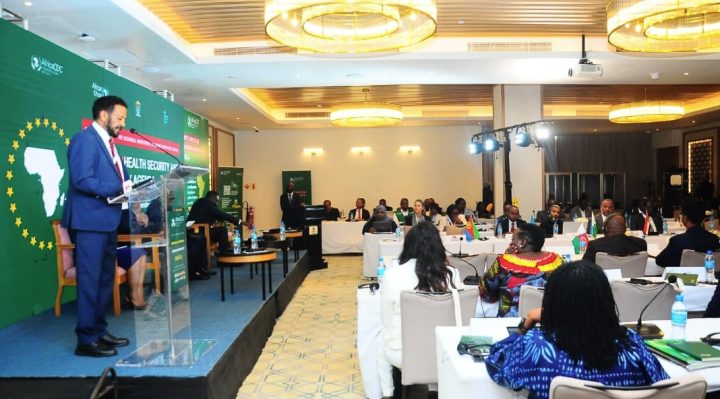
Delivered by Ambassador Beyene Russom, Ambassador of the State of Eritrea to Kenya and Tanzania, on behalf of H.E. Ms. Amna Nurhussien, Minister of Health of the State of Eritrea
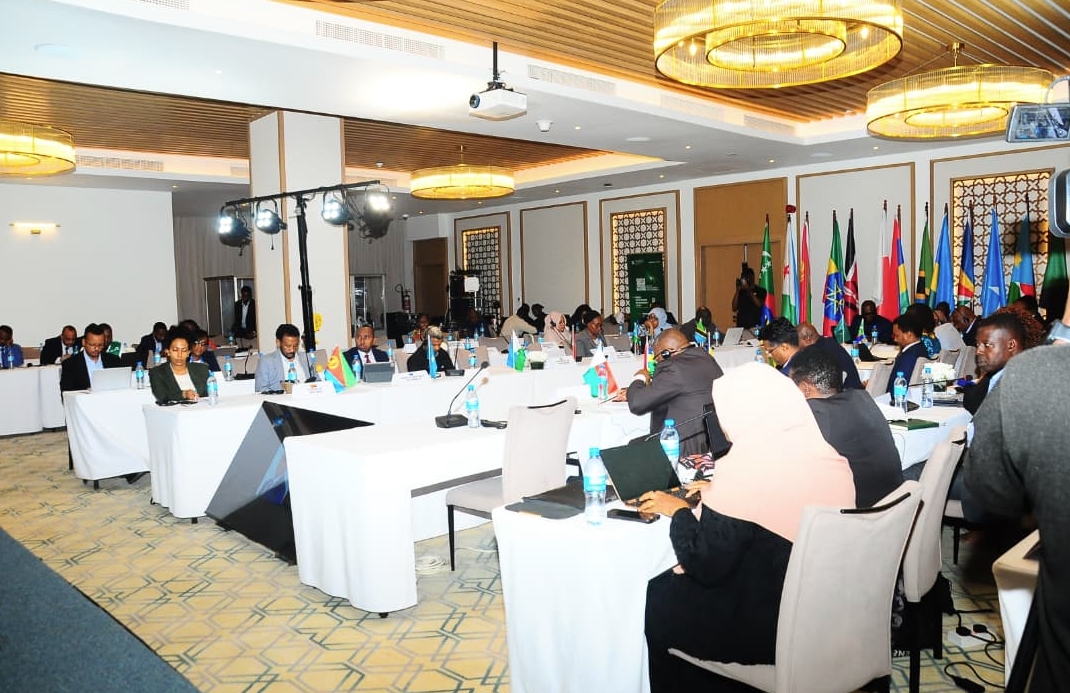
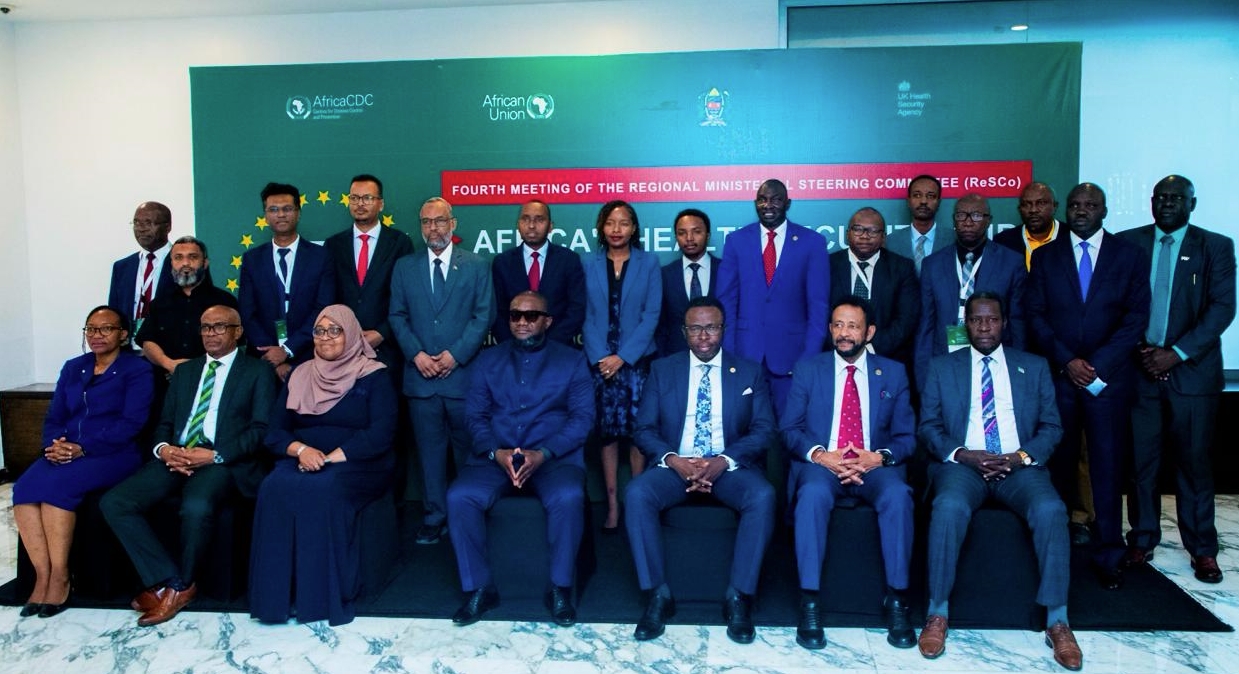
Fourth Regional Ministerial Steering Committee (ReSCO) Meeting
DAR ES SALAAM, Tanzania — Aug. 18, 2026
Theme: “Advancing Africa’s Health Security and Sovereignty: Predictable and Innovative Investments in Maternal and Child Health and Primary Health Care”
Your Excellencies,
Honourable Chair,
Ministers of Health of Eastern African countries,
Distinguished Delegates,
Colleagues from Africa CDC,
Partners,
Ladies and Gentlemen,
It is an honour to address the Fourth ReSCO Meeting in Dar es Salaam, held under the theme, “Advancing Africa’s Health Security and Sovereignty: Predictable and Innovative Investments in Maternal and Child Health and Primary Health Care.”
This meeting comes at an important moment as Africa works to align regional priorities with the Africa Health Security and Sovereignty Agenda and strengthen resilient primary health care, immunization, community engagement and epidemic preparedness.
- Eritrea’s Approach: Primary Health Care as the Foundation of Sovereignty and Security
Eritrea strongly believes that resilient primary health care is the foundation of both improved health outcomes and stronger health security. We have invested in a community-based primary health care system anchored in a cost-effective Basic Health Care Package that extends essential services to rural, remote and nomadic communities.
The backbone of this system is our network of more than 300 health facilities and over 3,000 community health agents, who serve as the first line of defense in disease detection, maternal and child healthcare, and health promotion.
This approach directly supports ReSCO’s priorities of strengthening primary health care systems, ensuring sustainable financing, promoting community engagement and building long-term resilience.
- Key Accomplishments in Maternal and Child Health
Guided by our Reproductive, Maternal, Newborn, Child and Adolescent Health and Health Agenda Strategic Plan 2022–2026, Eritrea has focused on practical and inclusive interventions in the following areas:
Maternal and Newborn Health
Eritrea has established maternity waiting homes for women from distant communities, provided emergency obstetric care training for health workers, and strengthened antenatal and postnatal care. These efforts continue to contribute to reductions in maternal and child mortality.
Child Health
Through the Expanded Programme on Immunization and the Integrated Management of Childhood Illness, Eritrea has maintained immunization coverage above 90 per cent and reduced under-five mortality by more than 70 per cent since 1990.
We remain aligned with the regional objective of reducing the number of zero-dose children and building integrated and resilient primary health care systems.
- Health Security, Financing and Cross-Sectoral Investment
A key lesson from Eritrea’s experience is that community-based and preventive health systems are essential for resilience. Strong community engagement encourages early care-seeking, promotes preventive health practices, supports immunization uptake and strengthens responses during disease outbreaks.
Importantly, Eritrea’s health policy does not stand alone. Our Government’s broader approach is to reach marginalized communities with an integrated package of basic services, recognizing that health outcomes cannot be separated from their social determinants. These interventions include:
- Education: Mobile schools and boarding facilities for pastoralist communities and remote villages.
- Water: Boreholes, small-scale dams and water points that reduce the distances women and children travel daily and help prevent waterborne diseases.
- Agriculture: Irrigation schemes, micro-dams, and soil and water conservation programmes that improve food security and help prevent stunting and malnutrition.
- Housing: Low-cost housing in resettlement areas to address sanitation challenges and overcrowding.
Regarding financing, more than 85 per cent of Eritrea’s health budget is domestically sourced. This reflects our firm commitment to health sovereignty.
We also welcome innovation in digital health, solar-powered health facilities and the local production of essential medicines to reduce supply-chain vulnerabilities.
- Call for Regional Action
Eritrea stands ready to share its experiences, learn from fellow Member States and support regional collaboration.
To advance the ReSCO agenda, we call for:
- Predictable, multi-year regional financing for primary health care and maternal and child health;
- Greater cooperation in the local manufacture of vaccines and other essential health commodities;
- Stronger cross-border preparedness and regulatory harmonization; and
- Strengthened community health systems as Africa’s first line of health security.
Eritrea reaffirms its commitment to Africa CDC, the regional priorities that will emerge from this meeting, and the achievement of a stronger, healthier and more self-reliant Africa.
Thank you.
Fonte: Shabait