Compartilhar
Study reveals gaps in response to child sexual exploitation
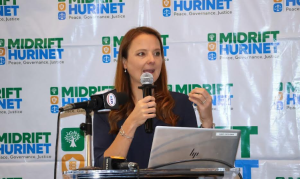
A new study on the reporting, investigation, and adjudication of Child Sexual Exploitation and Abuse (CSEA) in Kenya has revealed significant gaps in coordination, survivor support, and implementation of child protection laws, despite the country having established legal and institutional frameworks.
The study, conducted by MIDRIFT HURINET in partnership with the Childlight Global Child Safety Institute and the Anti-Human Trafficking and Child Protection Unit (AHTCPU), was launched in Nairobi on Tuesday.
The research assessed the functionality of child protection services by examining survivor journeys and case management processes across seven counties, namely Nairobi, Mombasa, Kisumu, Nakuru, Kisii, Busia, and Garissa.
Using a mixed-methods approach, the researchers combined case file reviews, direct observation, key informant interviews, and document analysis to evaluate how institutions handle cases of child sexual exploitation and abuse.
According to the findings, the study reviewed 57 closed CSEA case files, observed 56 institutions involved in child protection, and carried out in-depth interviews with 58 stakeholders working across the child protection sector in the seven counties.
The report established that although Kenya has made notable progress in strengthening child protection systems, weaknesses in collaboration among institutions, inadequate survivor support services and poor implementation of policies continue to undermine effective responses to child sexual exploitation and abuse.
The findings show that 54.7 per cent of perpetrators were male and well known to the child, dispelling the common belief that offenders are usually strangers. The study also found that the majority of survivors, accounting for 79 per cent, were girls aged between six and 11 years.
The researchers noted that while Kenya has put in place legal frameworks such as the Sexual Offences Act of 2006 and the Children’s Act of 2022, child sexual exploitation and abuse remain prevalent.
They attributed this partly to inadequate implementation of existing laws, policies, and child protection mechanisms.
The study further underscored the importance of timely access to medical treatment, psychosocial support, and coordinated services in helping survivors recover and strengthening their access to justice.
Speaking during the launch, MIDRIFT researcher Leslie Rono said the findings highlight the urgent need to improve the way institutions respond to survivors of abuse.
“If there’s one thing that needs to change, it’s how we respond to survivors. Systems must be faster, more sensitive, and more coordinated,” Rono said.
Another MIDRIFT researcher, Elizabeth Anyango, said the study challenges widespread misconceptions about perpetrators of child sexual abuse.
“Many people believe that child abusers are strangers, but the reality is very different. Across the seven counties where MIDRIFT conducted the study, 54 per cent of the perpetrators were male and very well known to the child,” she said.
Anyango added that the cases reviewed painted a disturbing picture of the vulnerability of young children to sexual exploitation and abuse.
“The cases reviewed were very disheartening because the majority of the survivors of child sexual exploitation and abuse were young girls between the ages of six and 11 years old,” she noted.
The Childlight Global Child Safety Institute, which funded the research, said the findings provide an opportunity to strengthen Kenya’s child protection systems and ensure survivors receive better support.
Lydia Davenport of Childlight commended Kenya for demonstrating commitment to safeguarding children through laws, policies, and child protection structures but emphasized the need for further improvements.
“This important study, by shining a light on the lived experiences of survivors, identifies opportunities to further strengthen trauma-informed support, improve coordination across services, enhance awareness, and ensure cases are resolved as effectively and efficiently as possible,” Davenport said.
She added that Childlight was grateful for the opportunity to support the initiative and hoped the findings would inform continued efforts by government agencies, practitioners, and communities to place the needs of survivors at the center of the response.
The report recommends stronger integration of data systems to facilitate information sharing among agencies handling child protection matters, as well as improved inter-agency coordination and stricter enforcement of existing child protection laws and policies.
It also calls for urgent and sustained public awareness campaigns to discourage traditional and informal methods of resolving cases of child sexual exploitation and abuse within communities, noting that such practices often deny survivors justice and protection.
Further, the study advocates for enhanced capacity building for child protection actors, including investigators, social workers, health professionals, and judicial officers, to strengthen reporting, investigation, case management, and adjudication of child sexual exploitation and abuse cases across the country.
Stakeholders at the launch expressed hope that the study’s findings and recommendations will contribute to policy reforms and more effective collaboration among institutions charged with protecting children, ultimately improving access to justice and support services for survivors.
By Anita Kariuki and Sallo Gobana
Fonte: Kenya News