Compartilhar
The Bastions of Nakfa: Names Etched in Heroism and Sacrifice
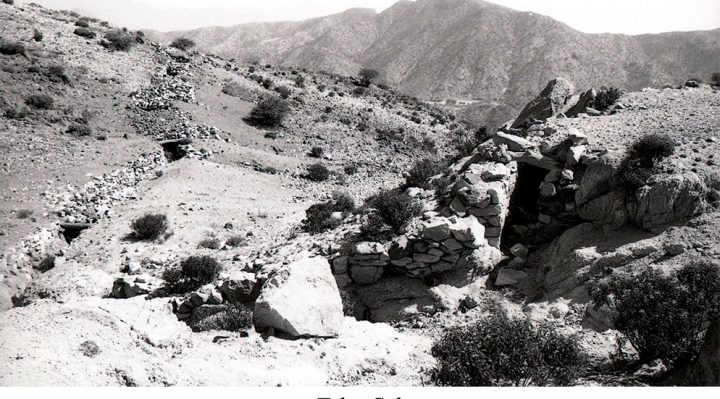
(Translated and adapted from the original Tigrinya article by Andom Ghirmay, published in Hadas Ertra Newspaper)
During the critical period of the Strategic Withdrawal in late 1978, the Eritrean freedom fighters faced a massive enemy force heavily armed with modern Soviet weaponry and backed by foreign military advisors. From every direction, the onslaught intensified; the skies thundered with the relentless roar of fighter jets, while the ground shook under the steady advance of conventional armor.
While several newly liberated towns fell back into enemy hands under the sheer weight of this asymmetrical firepower, Nakfa stood defiant—the lone urban sanctuary that refused to surrender to the darkness of occupation. Convinced of the absolute justice of their cause, the freedom fighters withdrew into the rugged, familiar mountain ranges surrounding Nakfa in late December 1978. There, they made a solemn, historic pledge: to defend this rocky citadel with their blood and their lives. For more than a decade, these forbidding heights became the stage for epic engagements that transformed Nakfa into the ultimate symbol of Eritrean resilience, determination, and sovereign pride.
The Nakfa Front stretched across vast alpine ridges, exposed plateaus, and deep, labyrinthine ravines. The names assigned to its defensive positions were born from two primary streams: traditional local titles used by the indigenous inhabitants, and highly descriptive nomenclature coined by the fighters of the Eritrean People’s Liberation Front (EPLF). The unique topography, specific battlefield incidents, or tactical vulnerabilities frequently inspired these military names. Today, these names endure as living monuments to the courage, defiant humor, and engineering creativity of the Eritrean freedom fighters.
Emba Denden: The Roaring Mountain
Among the many peaks that defined the armed struggle, Mount Denden stands as the most monumental anchor of Eritrean endurance. For nearly a decade, it served as a permanent, immovable defensive stronghold for the EPLF, deeply weaving itself into the psychological fabric of the liberation war.
Rising 1,969 meters above sea level, Mount Denden is a towering sentinel. Its strategic elevation provided a commanding view over vast stretches of the surrounding lowlands, allowing the EPLF to monitor enemy troop movements across the plains. Covered with hardy, indigenous flora such as wild olive and Tehases (hop bush), the mountain is known simply as “Denden” by both local pastoralists and veterans of the struggle. Its rugged terrain, characterized by massive boulders, hidden caves, and interlocking cliffs, perfectly mirrors the raw strength implied by its name.
In the Tigre language, “Denden” evokes a deep, resonant echo or the low, rumbling growl of a lion. Long before the war, the mountain was regarded by locals with a sense of awe and mystery; elders described it as an impenetrable summit where even a single footstep would trigger powerful, wave-like acoustic echoes. Before years of carpet-bombing scarred the landscape, it was also a pristine sanctuary for regional wildlife.
When the EPLF integrated Mount Denden into its permanent defensive line, the mystical mountain became an unbreakable wall of resistance. Despite repeated, heavily reinforced enemy attempts to capture it, the Derg regime’s forces never seized its summit. Today, Denden remains a profound national symbol of steadfastness, sacrifice, and final victory. Its name became so revered that, during and after the struggle, thousands of Eritrean parents proudly named their children Denden—a lasting tribute to the mountain’s legendary fortitude.
Lajin: The Frontline Sanctuary
To the right of Mount Denden lies the strategic ridgeline known as Lajin. In the high-intensity geography of the Nakfa Front, Lajin stood out as a striking paradox: a forward frontline position that simultaneously served as a place of deep refuge.
The name “Lajin” is derived from the Arabic word signifying “refuge,” “asylum,” or “shelter.” Although situated on the active frontline, its precise tactical positioning in the geographical shadow of higher mountains made it relatively shielded from direct enemy artillery and mortar assaults. This unique topographic advantage turned Lajin into a vital rear-operational pocket where battle-exhausted units could temporarily rest, reorganize, and recover after surviving intense combat in hotter, more exposed sectors. For weary fighters, arriving at Lajin truly meant finding a sanctuary amid the chaos of war.
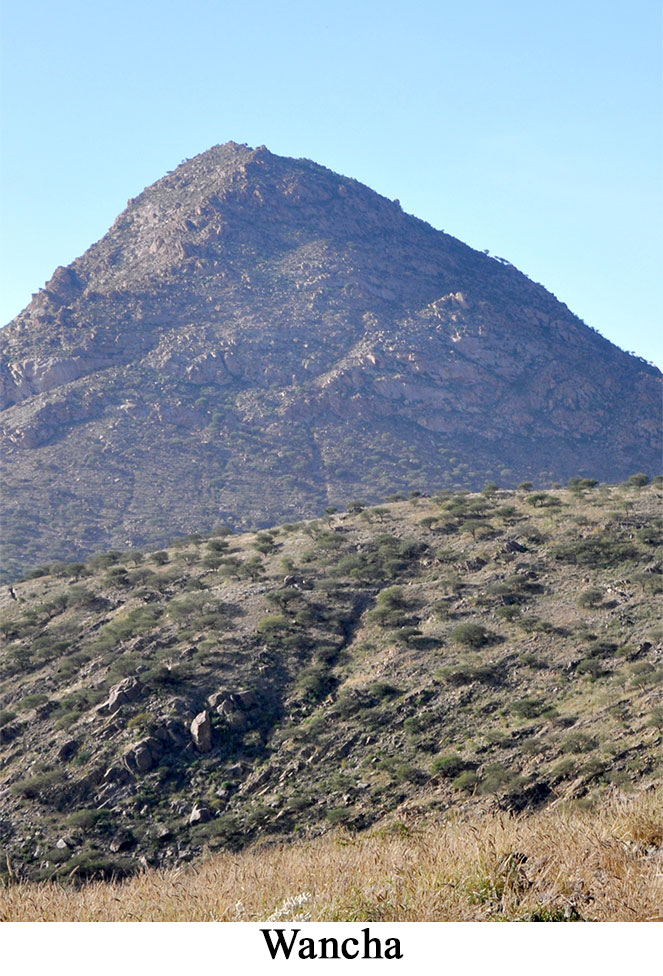
Wancha: The Traditional Cup
Situated north of Denden, Wancha earned its name entirely from its distinctive physical silhouette. From a distance, the mountain profile perfectly resembles an inverted traditional wooden drinking cup, known locally as a Wancha. Despite years of frequent artillery barrages and heavy aerial bombardment that reshaped the surrounding hills, this striking natural form endured, giving the position its simple yet memorable identity.
Globe: The Rounded Stronghold
Globe earned its distinct moniker from its perfectly rounded, spherical typography. This unique shape meant that any conventional direct assault exposed attackers to simultaneous defensive crossfire from multiple directions. Conversely, it forced the defending EPLF units to maintain a continuous, 360-degree watch. This geometric reality made Globe one of the most formidable defensive positions on the entire front—a stronghold the enemy could never successfully overrun.
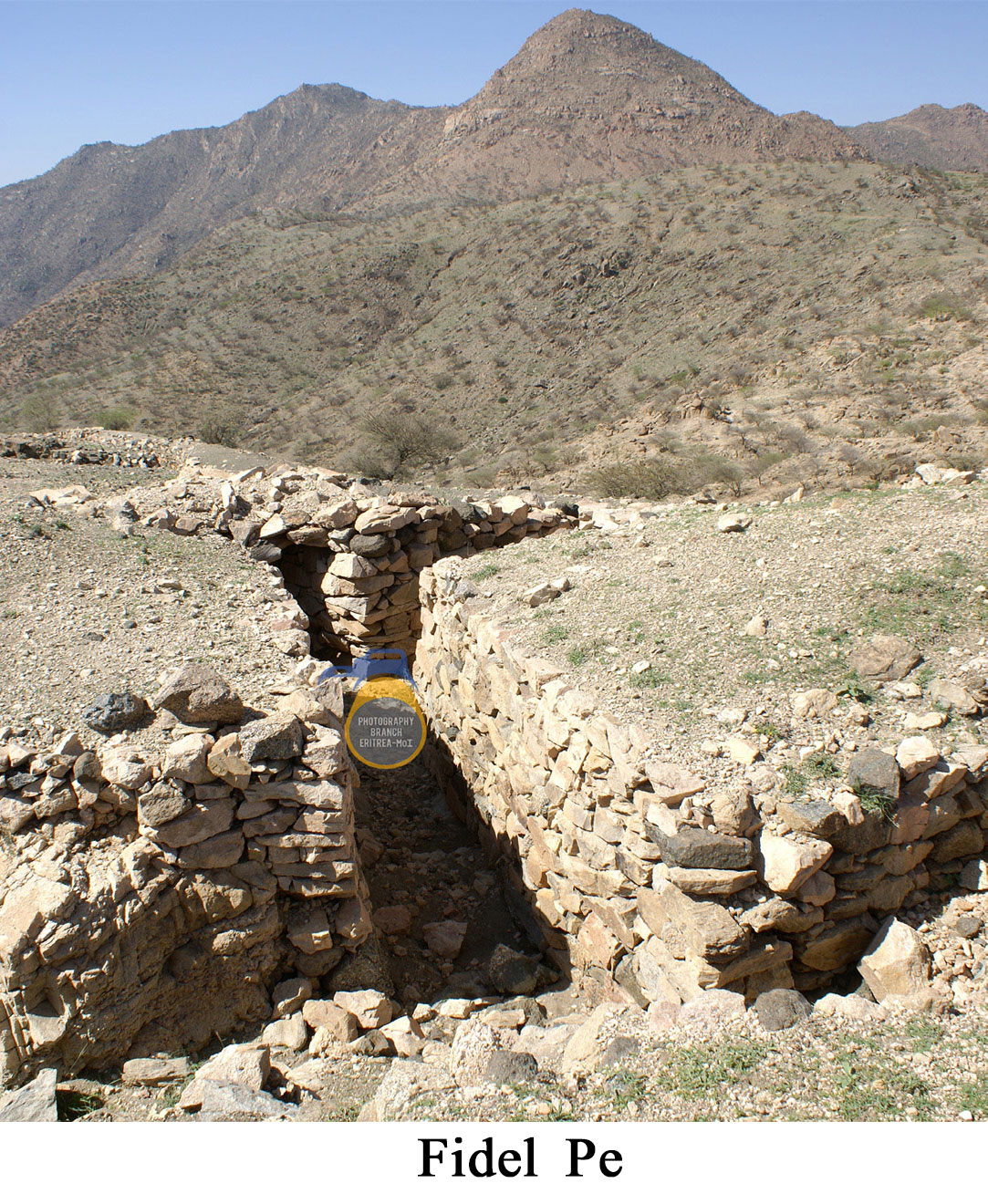
Fidel Pe: The Ge’ez Letter “ፐ”
As one ascends the winding, dangerous road from the Hedai River toward the town of Nakfa, the vital defensive position known as Fidel Pe stands guard over the main supply route. Controlling this narrow artery was of paramount strategic importance for protecting domestic logistics and blocking sudden enemy infantry breakthroughs.
The position earned its name from the unique hand-carved layoout of its trench network, which closely resembled the shape of the Ge’ez letter “ፐ” (Pe). This highly practical, descriptive naming convvention was a hallmark of EPLF field communication, helping fighters quickly identify and cooordinate defensive reinforcements without confusion.
Merkebna: Our Ship
Merkebna stands out among the surrounding peaks for both its tactical altitude and its striking visual appearance. When an EPLF sentry stood atop its highest peak, the combined silhouette of the mountain and the guard resembled a massive ship riding at anchor. Fighters affectionately named the peak “Merkebna”—Our Ship—a proud vessel of resistance anchored firmly in the turbulent sea of the Sahelian Mountains.
Volleyball: The Deadly Game
Few positions on the Nakfa Front capture the sheer intensity and dark irony of the struggle as vividly as “Volleyball.” This strategic high ground overlooked the Naro plains, but its legendary status stems not from the view, but from the terrifying proximity of the opposing trenches.
At Volleyball, the EPLF defensive trenches and the Derg lines were separated by only a small stretch of flat, contested ground. The positions were so close that raising one’s head above the parapet to aim a rifle was virtually suicidal. Consequently, hand grenades quickly became the weapon of choice.
The name was born during the enemy’s massive Sixth Offensive. As the two sides engaged in a constant, rhythmic, back-and-forth exchange of fragmentation grenades, fighters dryly joked, “This is no longer war—it’s a game of volleyball.” The name stuck. Stories of extraordinary reflexes emerged from this sector, detailing fighters who caught incoming enemy grenades mid-air and hurled them back into the opposing trenches before they could detonate. A large, scarred boulder sitting directly in the no-man’s-land became the physical focal point of this deadly exchange.
Taba Te’amamen (Enda Dubale): The Hill of Confidence
Taba Te’amamen is defined by its sheer, steep, almost inaccessible cliffs. The slopes facing the enemy lines were so vertical that even an unburdened person would struggle to climb them in peacetime. Despite the razor-thin distance between the opposing trenches— which fluctuated between 50 and 300 meters—EPLF fighters felt entirely secure here due to the natural fortifications. Because of this absolute reliability, the position was formally named Te’amamen (The Reliable Hill) in 1979.
However, it is equally known in veteran lore as Enda Dubale (The House of Dubale), a name derived from a dramatic frontline incident. A specialized, elite Derg reconnaissance unit—reportedly comprised of veterans from the Somali war—attempted a daring night infiltration by scaling the sheer cliffs of the hill. EPLF forces detected the movement and quickly pinned them down against the rock face.
In the ensuing close-quarters clash, an Ethiopian scout named Dubale was killed and left behind on the slope as his unit retreated. Throughout the long, pitch-black night, his hidden comrades spent hours desperately calling out his name—“Dubale! Dubale!”— across the empty darkness of the canyon. At dawn, having spotted his body from afar, the remaining enemy scouts withdrew in silence. From that day forward, the hill was forever known among the freedom fighters as Enda Dubale.
Glory to our Martyrs
Fonte: Shabait