Compartilhar
Engineers Must Anchor Zambia’s Economic Growth – President Hichilema
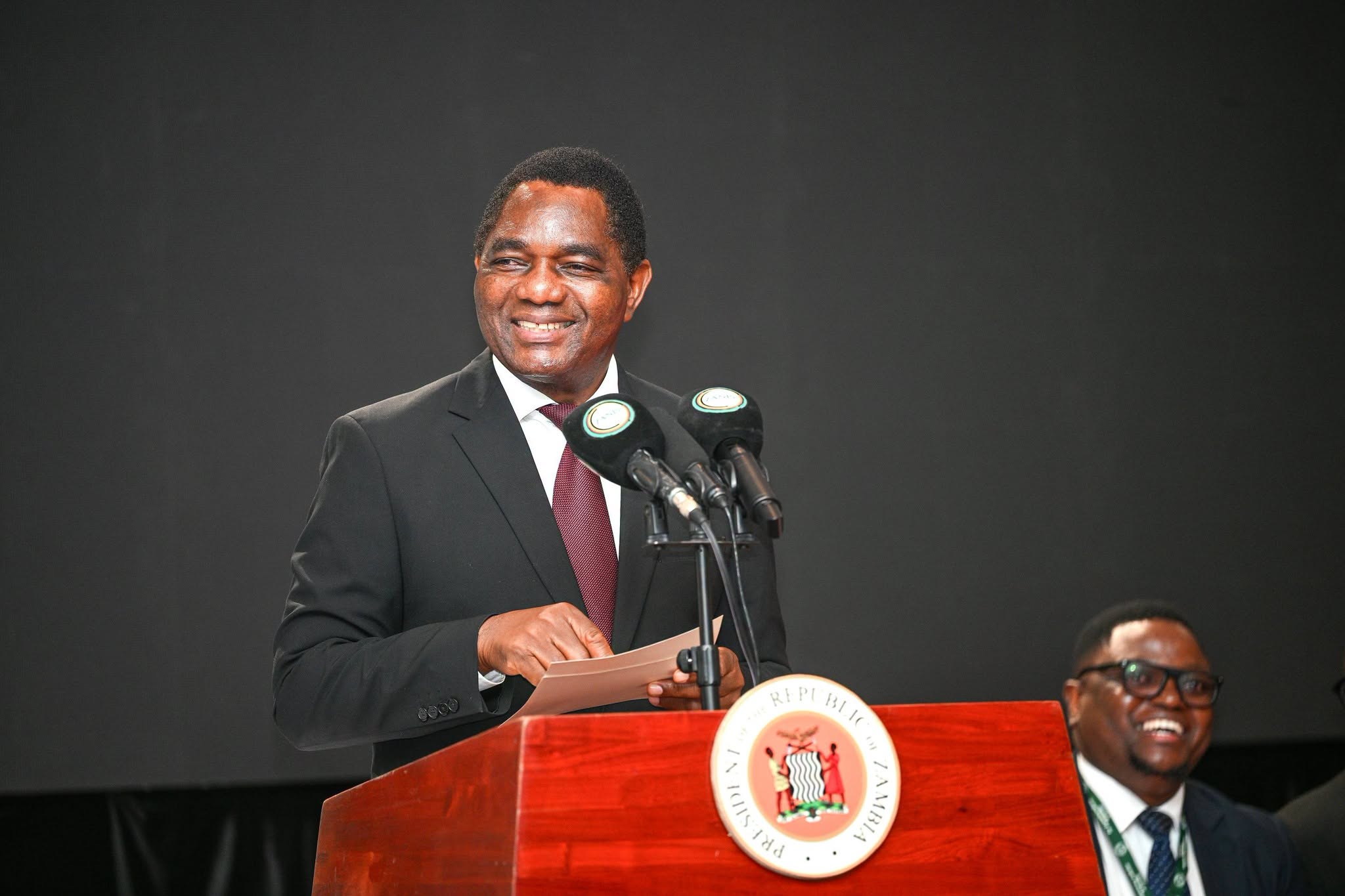
President Hakainde Hichilema has challenged engineers to take the lead in driving Zambia’s economic transformation, urging the profession to embrace innovation, uphold integrity, and align with government’s vision for growth.
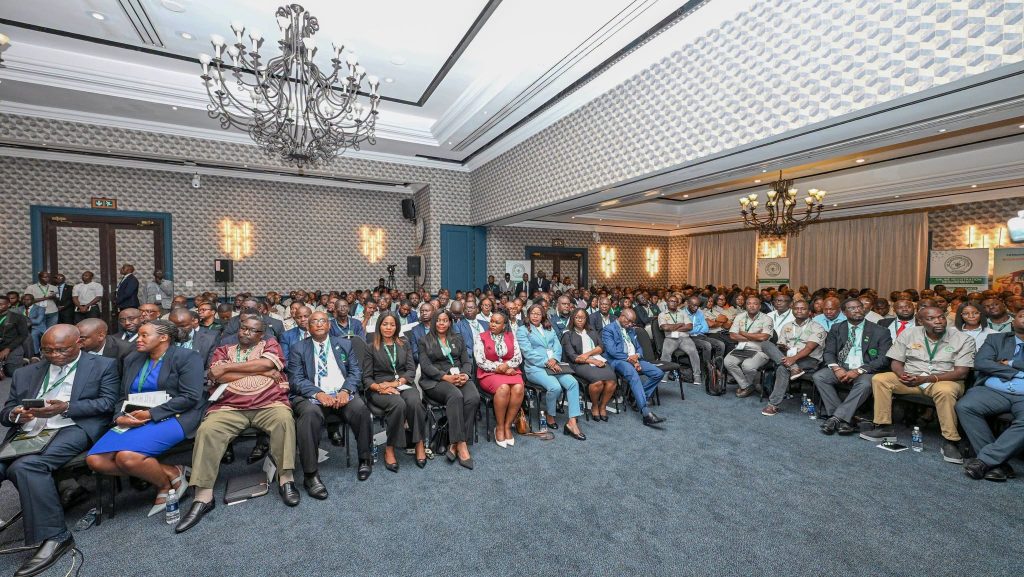
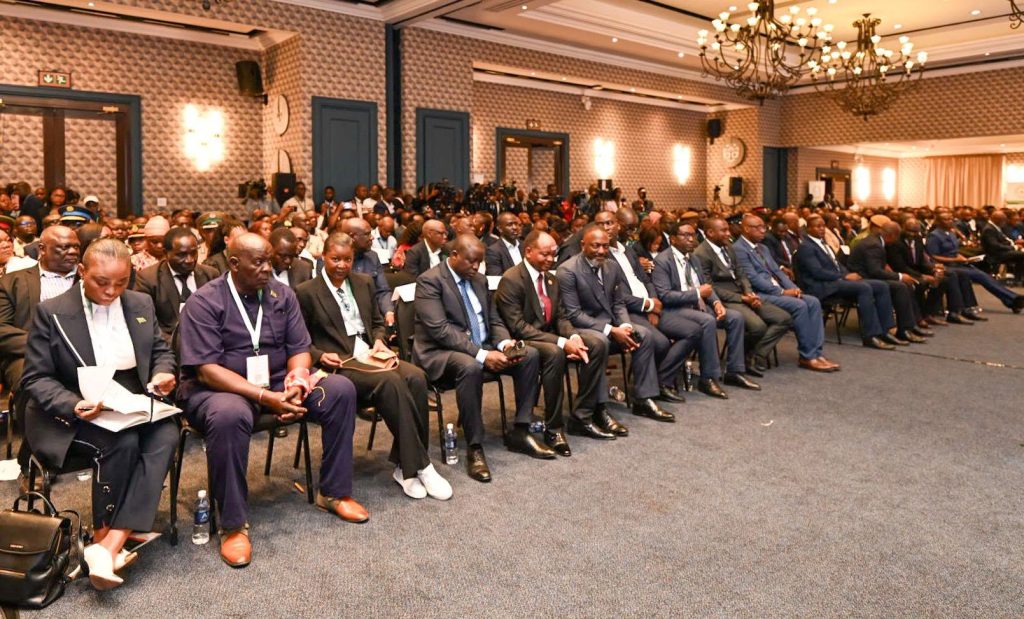
Speaking at the 2026 Engineering Institution of Zambia (EIZ) Annual General Meeting and Symposium, the Head of State underscored the central role of engineering in national development.
“Engineers should lead the development of the economy here in Zambia,” he said, stressing that countries worldwide are investing heavily in expanding engineering faculties. “Let’s get the best skill set to help accelerate the economic development agenda.”
President Hichilema encouraged the EIZ to enforce accountability measures to enhance the profession’s credibility, warning that negligence in engineering can result in the loss of life. “It is important to regulate and certify yourselves, but it is also important to be firm when members cross the line; they must be brought to book,” he said.
“Just one aspect of design not done properly for the weight to be balanced, a bridge can go down.”
The President further called for engineering expertise in in climate change adaptation and urged innovation in affordable agricultural solutions such as seed technology and irrigation. He encouraged engineers to take advantage of government programmes, including the enhanced Constituency Development Fund (CDF), which contains components requiring engineering expertise.
He praised engineers for their vital contributions, noting that their work is often taken for granted.
Meanwhile, EIZ President Eng. Wesley Kaluba reaffirmed the institution’s commitment to providing technical expertise in national development. He appealed to government ministries and agencies to consistently inform the EIZ of engineering projects to ensure effective guidance.
Eng. Kaluba emphasised that the EIZ will continue to advocate for strengthened engineering standards, improved infrastructure planning, and the integration of climate resilience into development frameworks.
Fonte: State House